Building Trails for More People: The Wilderness Gateway Trail
What if we stopped asking how we can make an existing trail accessible and instead asked a different question:
What would happen if we designed the trail with more people in mind from the beginning?
That is one of the things that makes the Wilderness Gateway State Trail in western North Carolina so exciting.
The planned trail will eventually stretch roughly 200 miles through the South Mountains, connecting communities, conserved lands, and some of the region's most beautiful landscapes. But what really caught my attention is how a portion of the trail is being designed: with adaptive mountain biking in mind from the start.
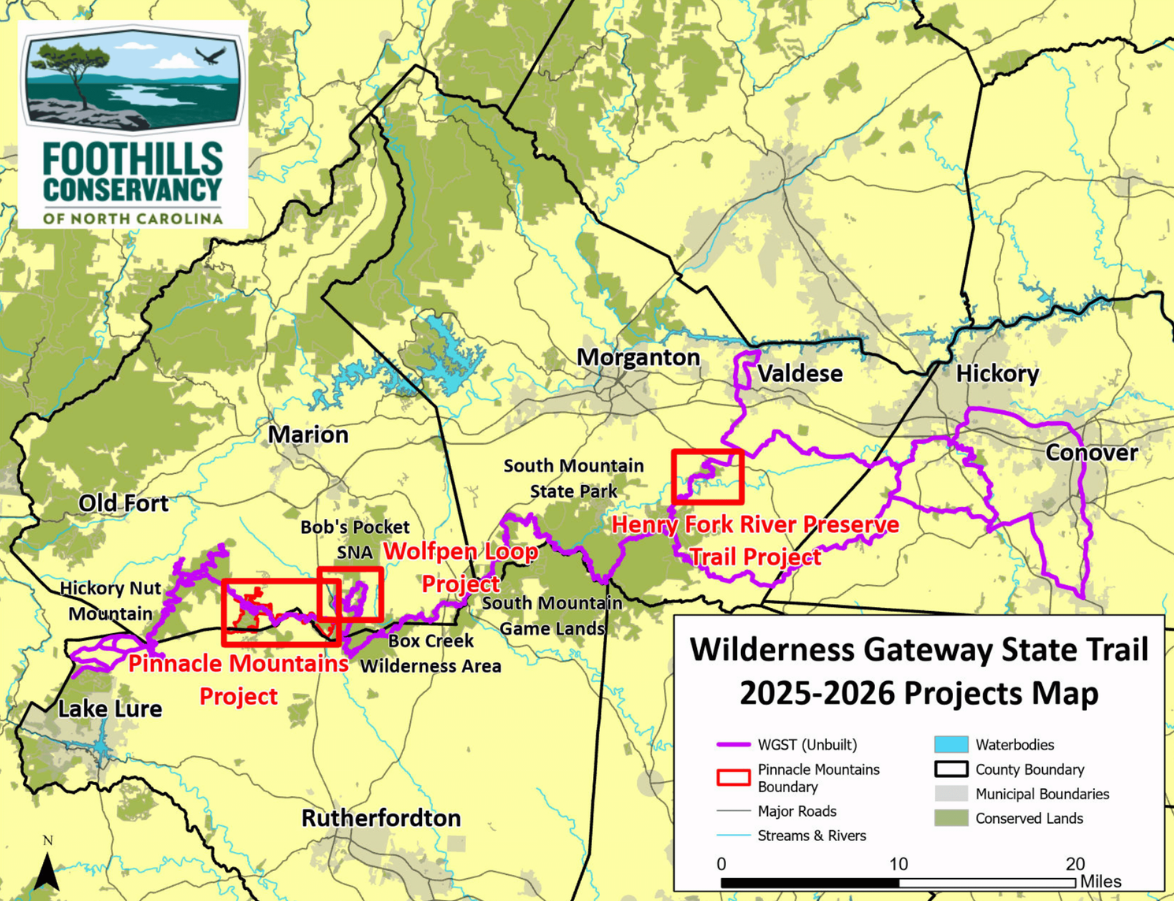
Image Credit: Foothills Conservancy of North Carolina
The Wilderness Gateway Trail is being built to adaptive mountain bike standards developed by the Kootenay Adaptive Sport Association (KASA). These standards consider things that can make a significant difference for adaptive riders, including trail width, surface, grade, camber, obstacles, and the radius of turns.
For the Wilderness Gateway, that means designing a trail that is wider, with more gradual and open switchbacks and fewer extreme pitches. The goal isn't to create a paved trail through the mountains. It is to maintain the natural character and challenge of mountain biking while making the experience possible for a much wider range of riders.
And that distinction matters.
Accessibility is sometimes treated as though it means removing challenge. But adaptive mountain biking challenges that idea. A rider using a three- or four-wheeled adaptive bike may need more width and a larger turning radius than someone on a traditional mountain bike. That doesn't mean they don't want roots, rocks, elevation, speed, or adventure.
They just need the trail to work with their equipment.
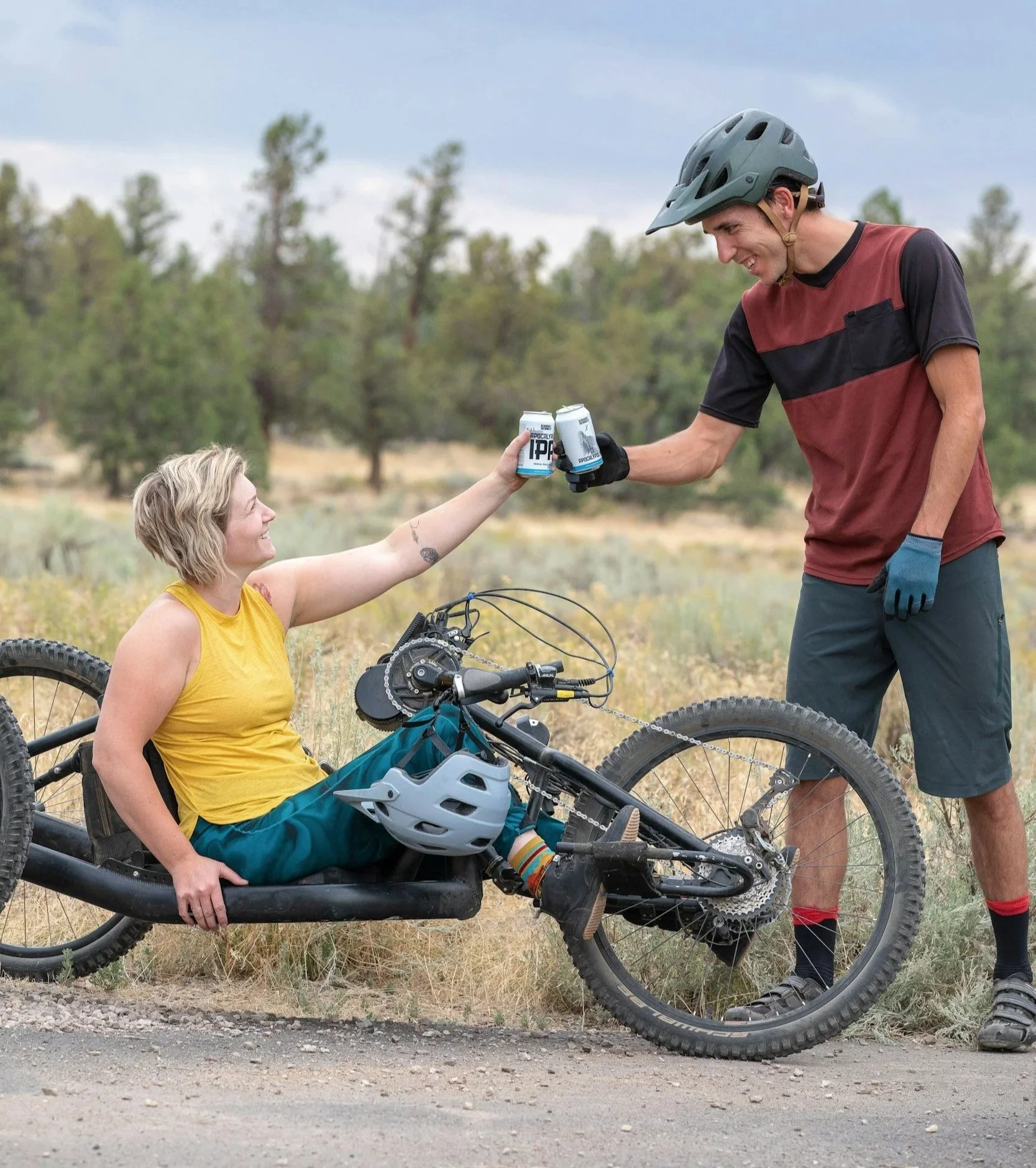
KASA's adaptive trail standards demonstrate that accessibility and adventure don't have to be opposing ideas. In fact, many of the design choices that help adaptive riders can create a better experience for other users too. Wider trails can make passing easier. Thoughtfully designed turns can improve flow. Stable surfaces can benefit beginners, older adults, and riders using different types of bikes.
That is what I find most exciting about the Wilderness Gateway Trail.
It isn't simply adding an accessible feature to an existing trail. Accessibility is influencing the design of the trail itself.
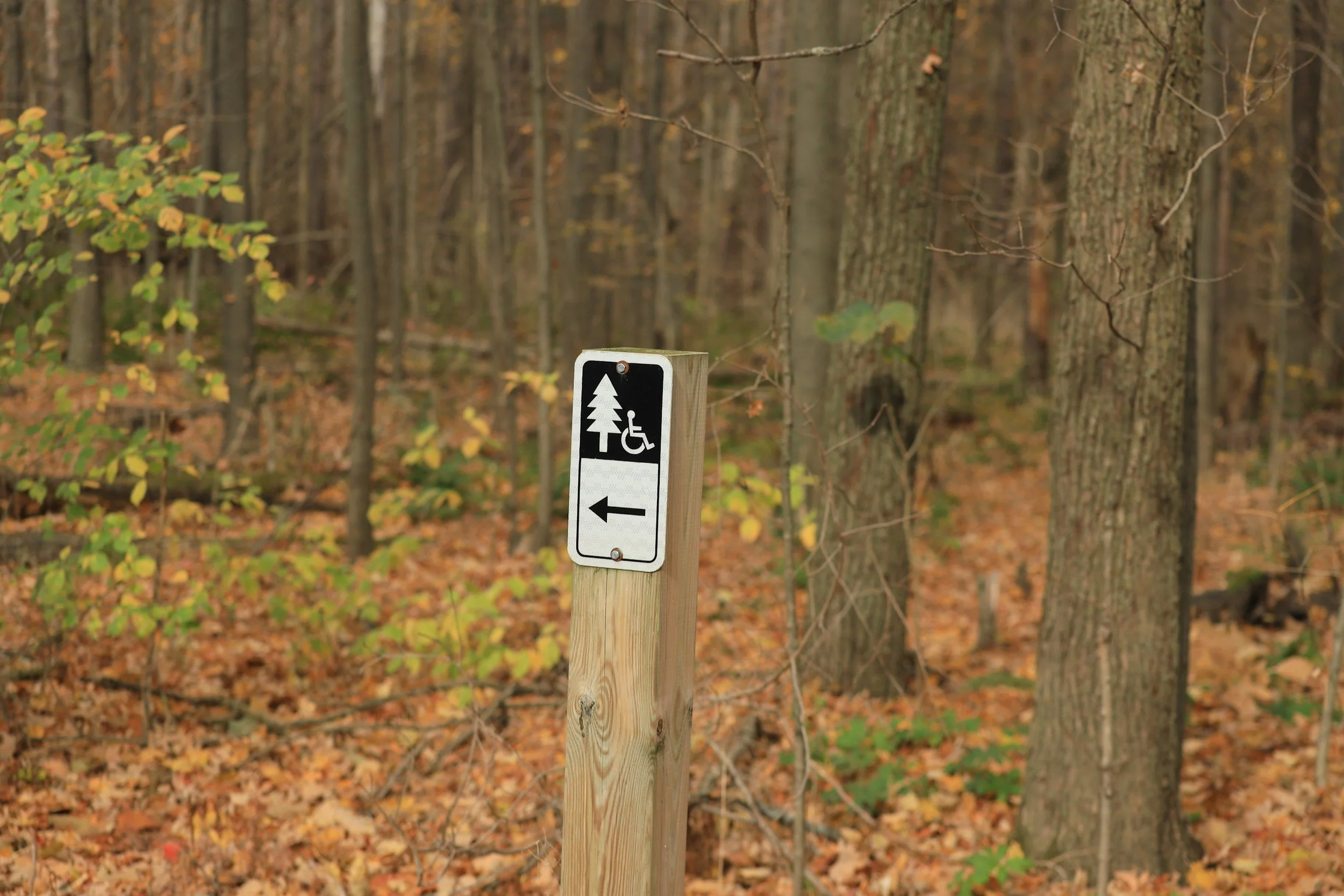
This is an important shift in how we think about outdoor accessibility.
We don't always have the opportunity to build something from the ground up. But when we do, we have a choice. We can design for the narrowest definition of the “typical” user and retrofit access later, or we can consider a wider range of people from the beginning.
The Wilderness Gateway Trail shows what that second approach can look like.
Adaptive mountain biking is still a relatively young sport, and trails designed specifically with adaptive riders in mind are uncommon. Projects like this have the potential to expand not only where people with disabilities can ride, but how communities imagine who belongs on a mountain bike trail in the first place.
Accessibility doesn't have to mean less adventure.
Sometimes it means designing the adventure so more people can experience it.