There Is No Money for Accessibility. So Who Is Responsible?
Whenever I ask about the main barrier to accessibility work, I always get as a top answer: funding.
Essentially, the message is there is no money for accessibility.
This answer sits in the reality that federal funding for our public lands has dramatically decreased based on the current administration's lack of prioritizing public need. The U.S. Forest Service has faced significant staffing reductions, while the agency responsible for more than 193 million acres of public land is already facing an estimated $10.8 billion deferred-maintenance backlog.
Yet while average Americans struggle with grocery costs and our public land managers scramble, corporate profits tell a different story. U.S. Bureau of Economic Analysis data show that pre-tax corporate profits reached an annualized $4.8 trillion in the second quarter of 2026, representing approximately 18% of national income—the highest share since the years immediately following World War II.
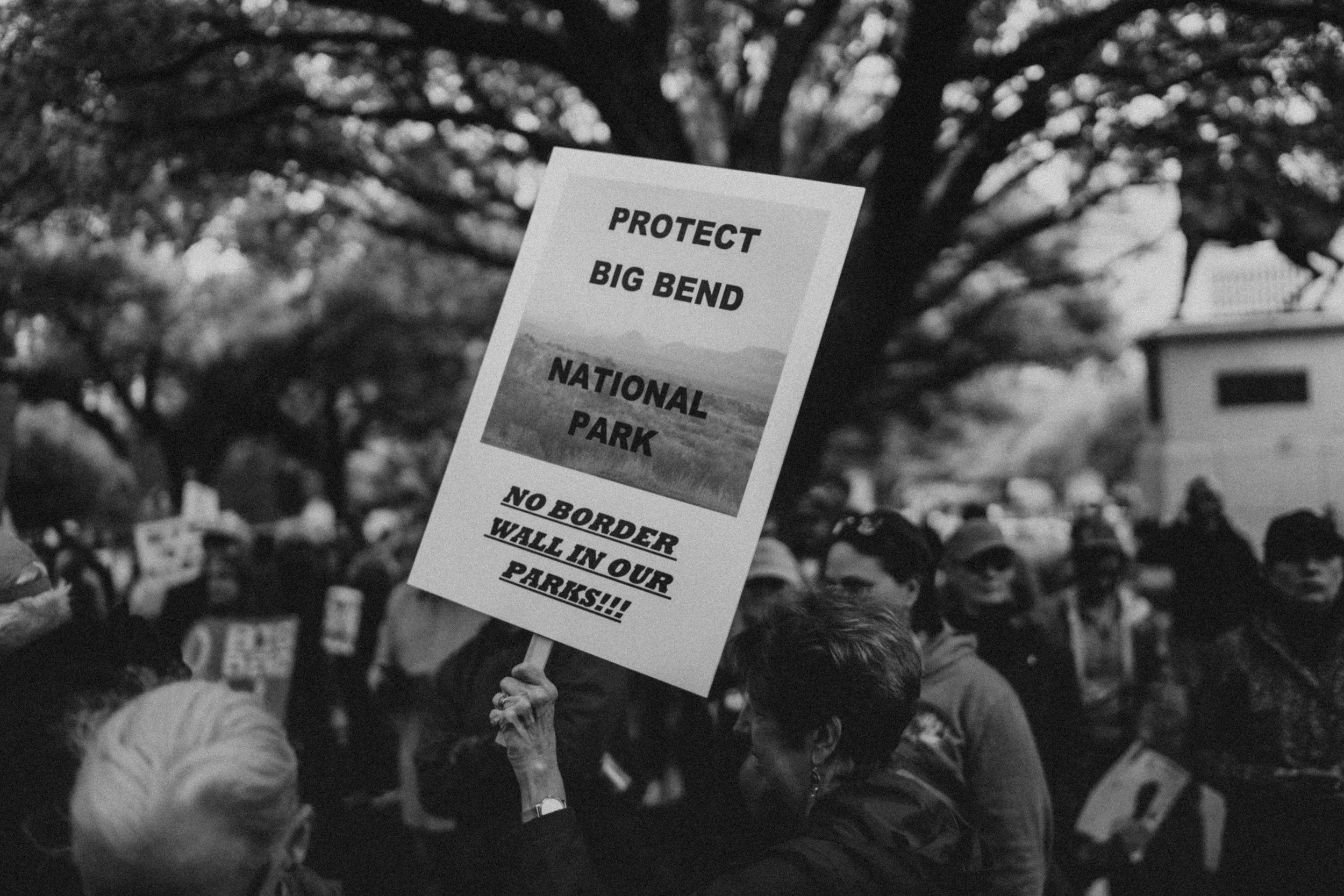
The fact is that money is out there. It just isn't being prioritized in the right places.
So how do we change the narrative and recognize that accessibility cannot be something we fund only when there is extra money? Accessibility needs to be treated as an essential part of development and design.
For the outdoor industry, I think there are three ways forward: invest, advocate, and partner.
Invest
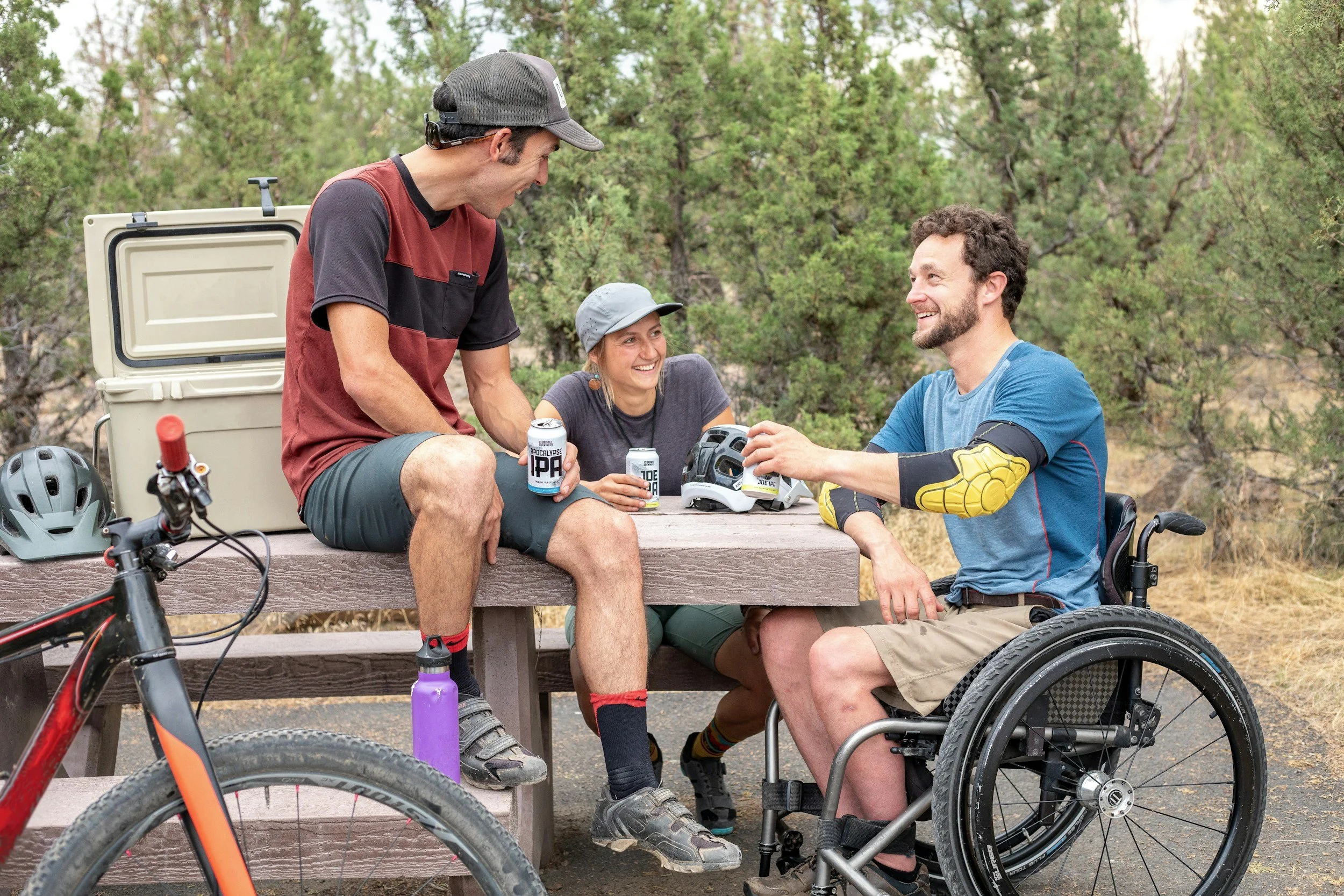
Companies that make money from outdoor recreation have an opportunity to invest directly in the places and people that make that recreation possible.
That could mean funding accessibility assessments for public lands, supporting adaptive recreation programs, investing in accessible product development, or providing grants to organizations doing this work in their communities.
This isn't about corporations replacing government funding. It is about recognizing that corporations are part of the outdoor recreation system and have a responsibility to contribute to its sustainability.
Advocate
Writing a check is not enough.
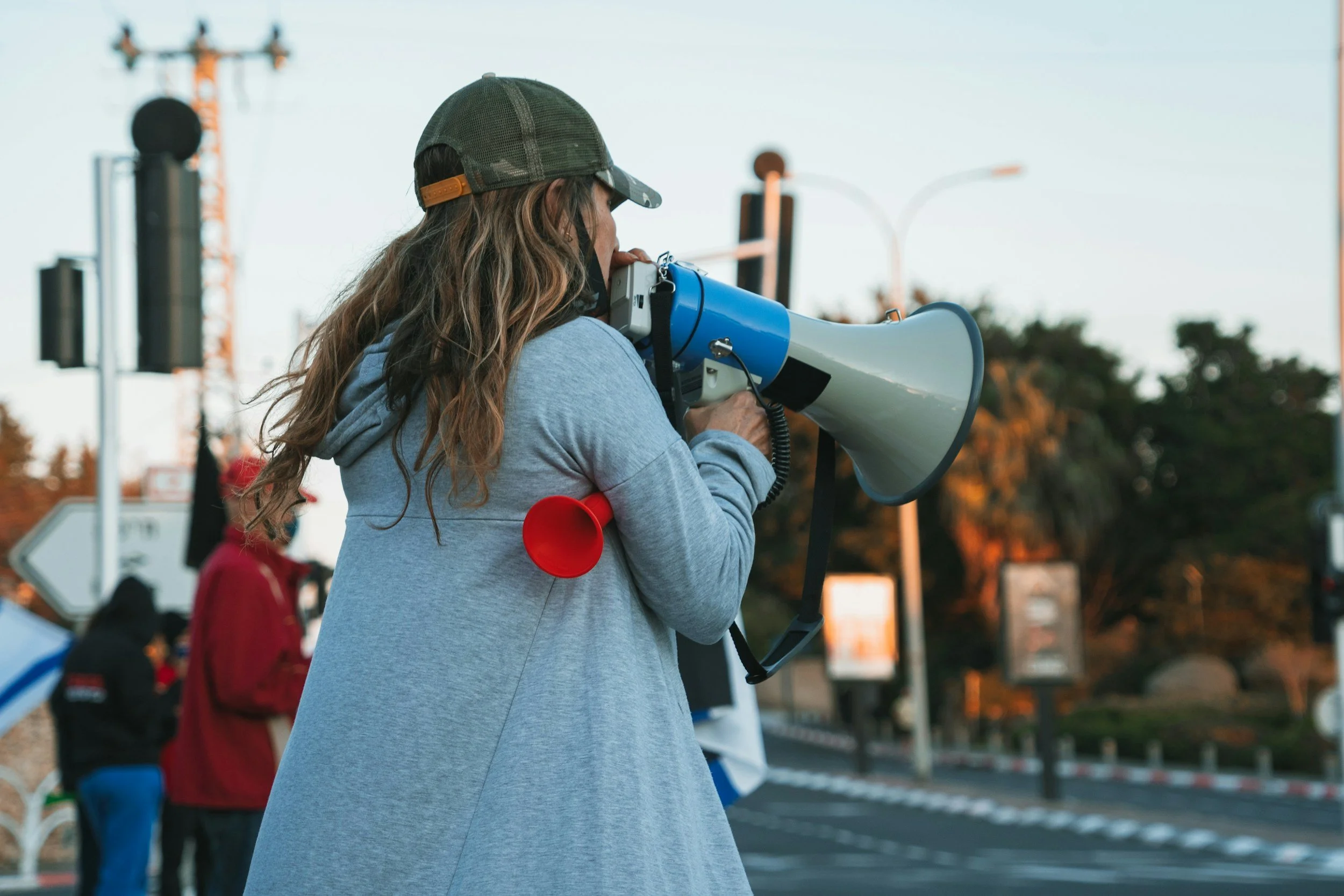
Outdoor companies have influence. They have customers, employees, industry relationships, and a platform that many small nonprofits and public agencies don't have.
Use that influence.
Advocate for public funding for parks and recreation. Support policies that protect access to public lands. Speak up when accessibility is being left out of planning and development.
If your business depends on people having places to recreate, protecting those places—and ensuring people can actually use them—should matter to your business.
Partner
Finally, stop thinking of accessibility as someone else's job.
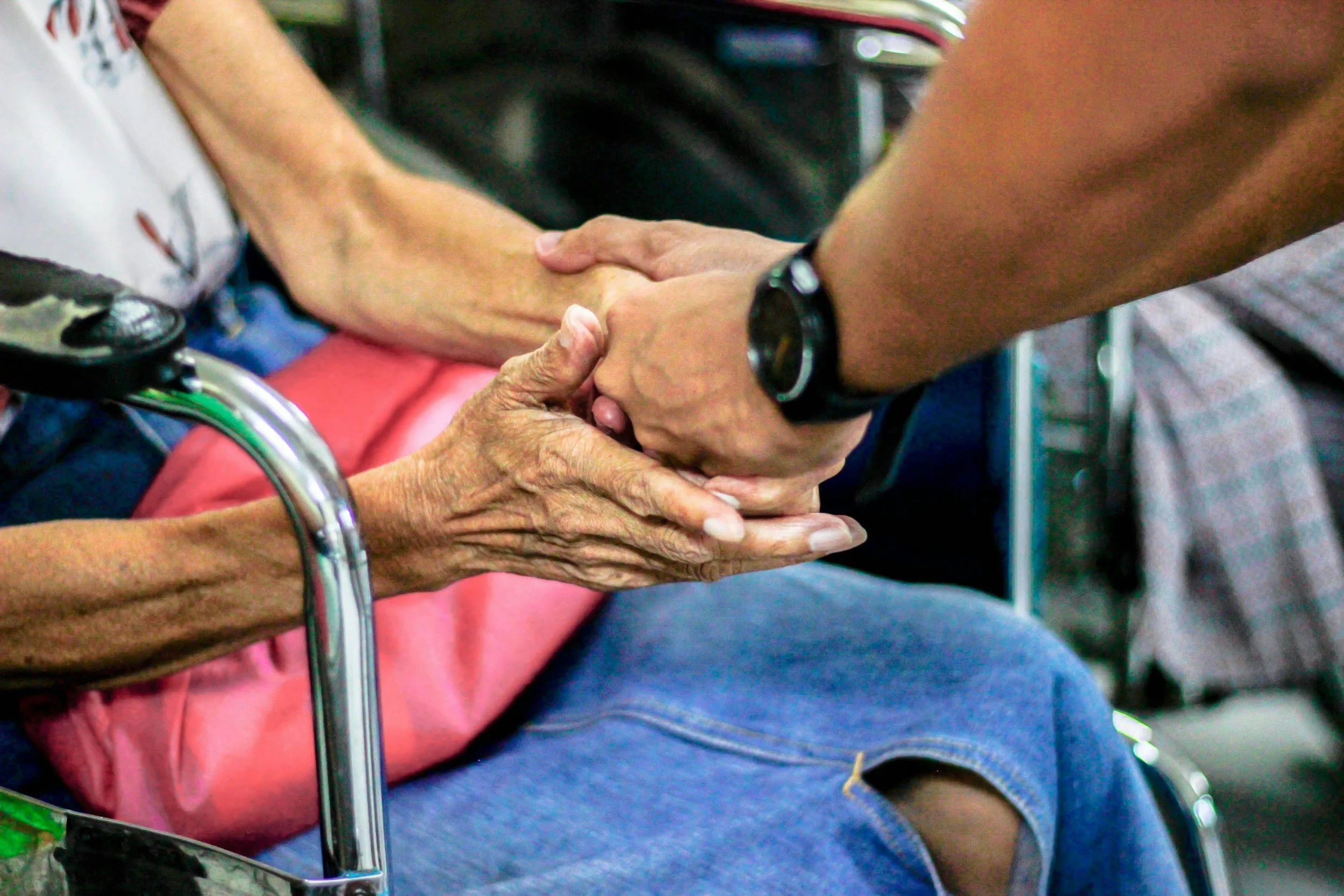
Public agencies, nonprofits, corporations, designers, recreation providers, and people with disabilities all bring different expertise to the table. Partnerships can help organizations accomplish work that none of them could accomplish alone.
And people with disabilities need to be part of those conversations—not simply as the people we hope will use the finished product, but as experts whose experience should shape what gets built in the first place.
There is no question that resources are limited. I see that every day in my work with organizations trying to improve accessibility while managing shrinking budgets, staffing shortages, and competing priorities.
But limited public resources cannot become an excuse for the outdoor industry to sit on the sidelines.
If your company profits from the outdoors, ask yourself: What are you doing to make sure everyone can participate in it?
Are you investing? Are you advocating? Are you partnering?
And if the answer is no, maybe the question isn't whether there is money for accessibility.
Maybe it's whether accessibility has been prioritized.