There’s a common misconception that accessibility is something you add at the end of a project. A ramp gets installed, a sign gets updated, and suddenly a space is considered “accessible.”
But that’s not how it works.
When I did my Voices Outside series on LinkedIn, the message wasn’t about checklists or compliance. It was consistent and simple: include us from the beginning.
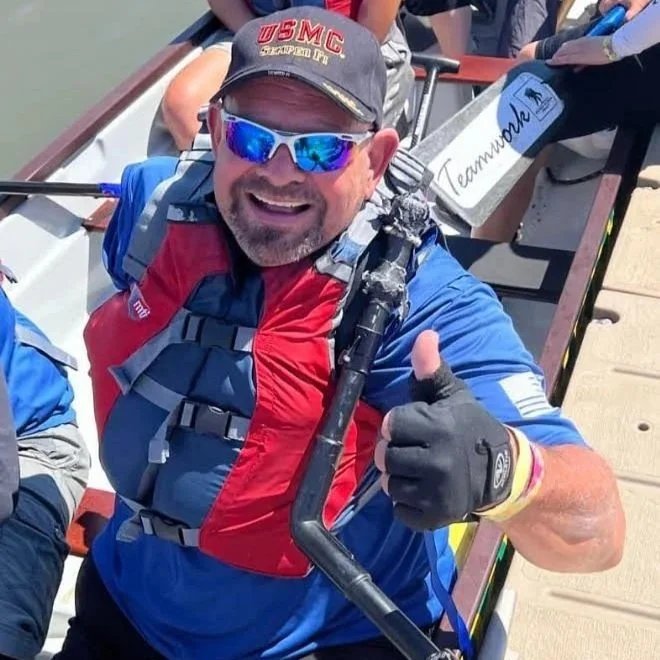
Gary Verrazono captured this clearly: “Accessibility isn’t about special treatment — it’s about equal opportunity. Planning for accessibility from the beginning shows respect and awareness, and it creates spaces where more people can connect with nature, movement, and community.” He pushed back against the myth that accessibility is a niche feature— instead recognizing it’s a design foundation that improves experiences for everyone.
We already see this in everyday infrastructure. As Chrysta Bairre shared, “Curb cuts were originally designed for wheelchair users, and curb cuts improve access for strollers, delivery drivers, seniors, and more.” What begins as disability access often becomes universal access.
And yet, outdoor spaces still often rely on minimum standards as the finish line instead of the starting point.
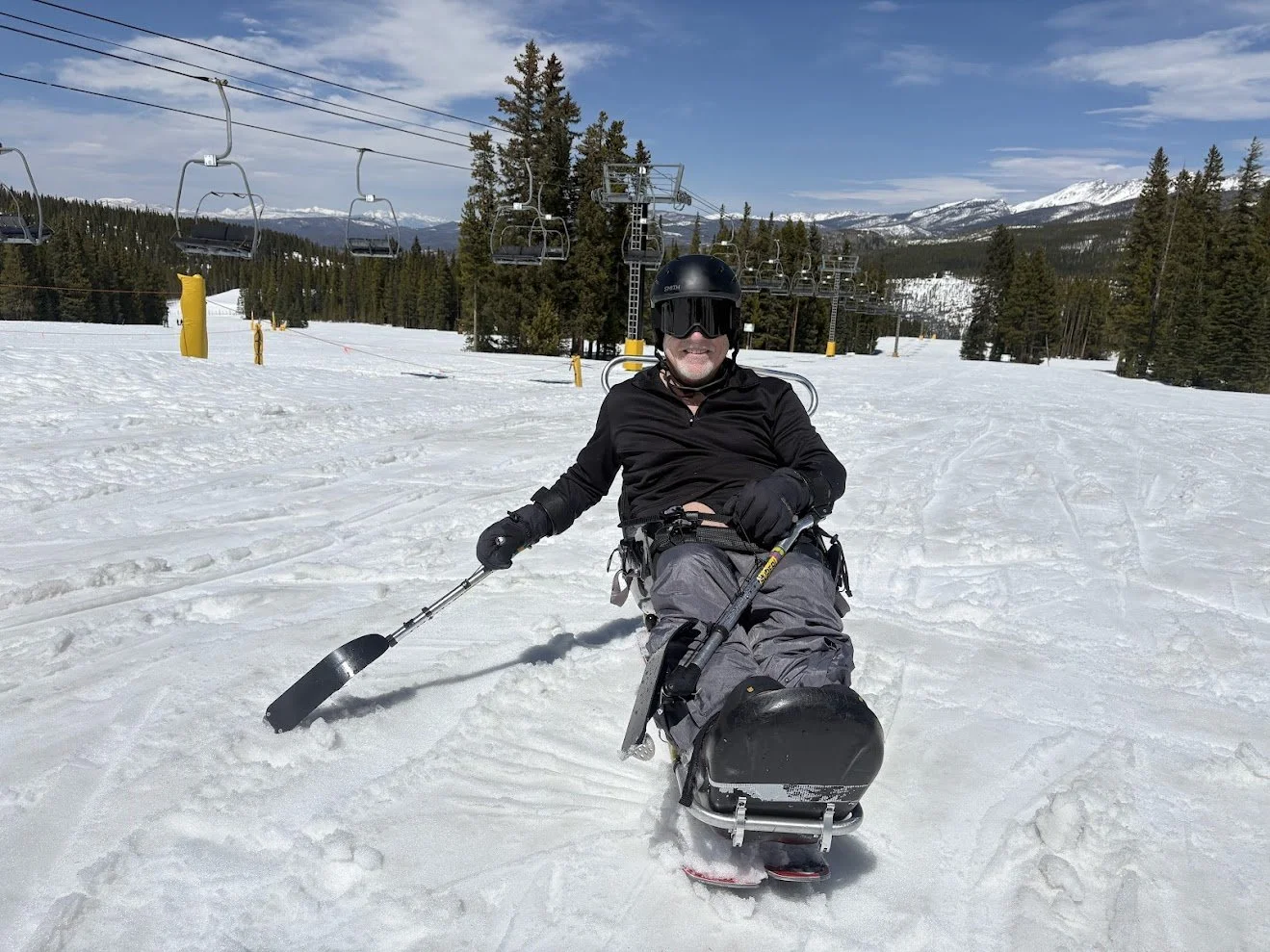
Jim Mull was direct about this gap: “ADA doesn't really mean much to me… It is a good starting base, but it does not mean an area is mobility-friendly.” A trail or site can technically meet guidelines and still fail in real-world use. He also added an important distinction: “Having just one or two sites that are 100% mobile-friendly is much more valuable than having more areas that only meet some of the mobile-friendly needs.” Meaningful access is not about spreading partial solutions everywhere—it’s about creating places that fully work.
The missing piece is often process, not intent.
Topher Downham emphasized this clearly: “The thing that I wish decision makers understood better when planning outdoor spaces is reaching out to the user group.” Lived experience isn’t something to consult at the end—it needs to shape decisions from the beginning. Otherwise, critical design gaps remain invisible until it’s too late to fix them easily. “It’s always great to have feedback from people that are actually gonna be out there, uh, trying to enjoy the outdoor space.”
It also matters that accessibility isn’t a single definition—it changes depending on who you ask and what they need.
Jenny Siegle shared this perspective: “There are different meanings to outdoor spaces being accessible. Accessibility means different things to different people.” She suggested that instead of treating accessibility as a yes-or-no condition, we might think about it as something that exists on a spectrum—where spaces could be rated based on how accessible they are for different needs. That kind of approach could help people choose spaces that truly match their abilities and comfort levels, rather than guessing whether a place will work for them.
That idea connects closely with how Rem described neurodiversity in outdoor spaces. They explained that there cannot be a single “accessible design” that works for everyone, because needs vary widely. Instead, accessibility exists across a range—from lower-support environments that prioritize independence, to more structured spaces that include visual supports, clear communication cues, sensory considerations, and defined boundaries to support safe exploration. Designing with that spectrum in mind moves accessibility away from a single standard and toward a more flexible way of thinking about space.
At its core, this is about participation. Zoe Rollins put it simply: “Outdoor spaces are not just designed for able bodied individuals… it is just as important for us to be able to access them as easily as others.”
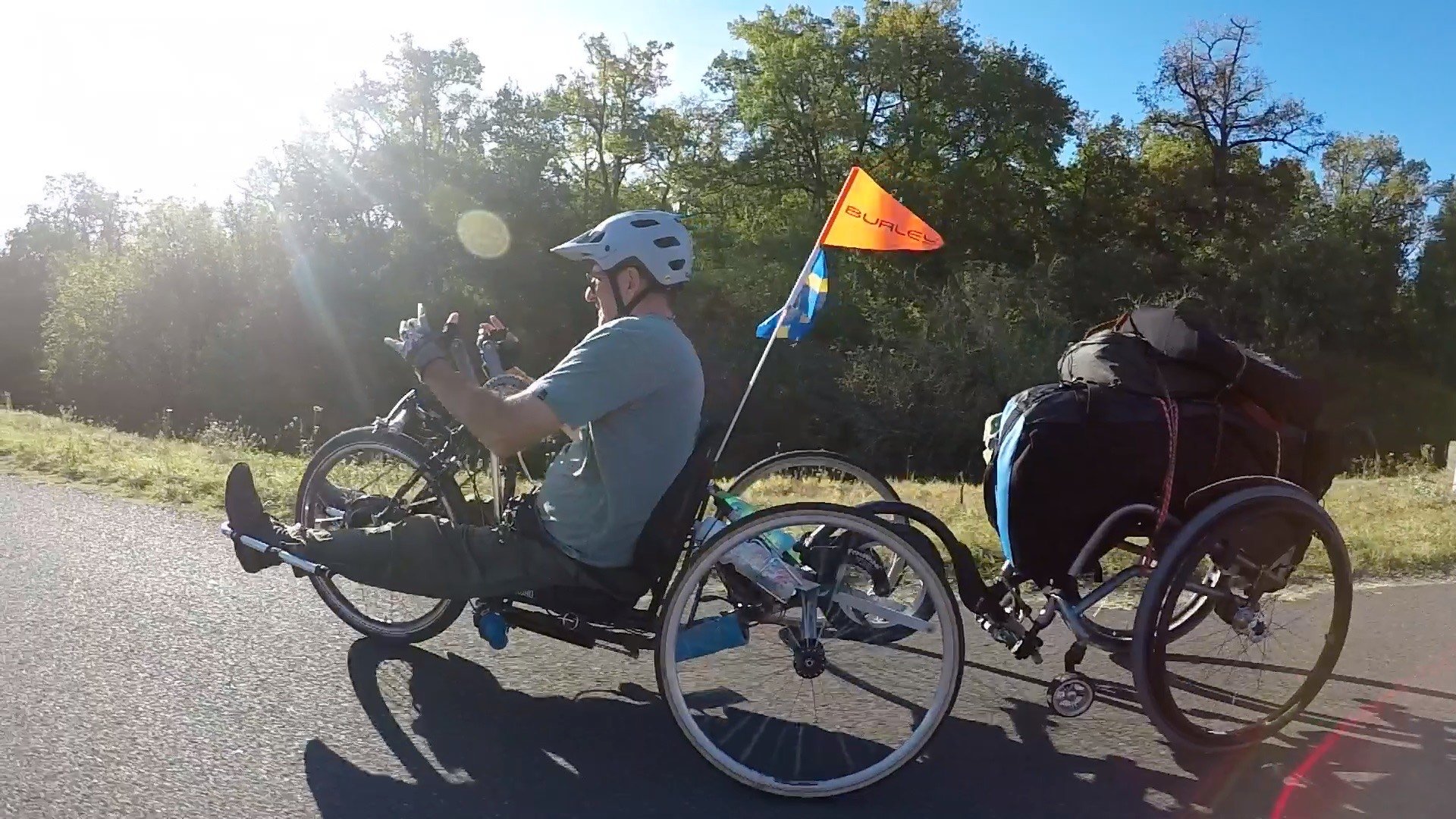
So what does this mean for land managers?
Start earlier. Not during final review. Not after designs are drafted. At the beginning—when decisions still have room to change.
Bring people with lived experience into the process. Compensate them for their expertise. Build relationships that last beyond a single project. And ensure their input actually shapes design, not just validates it.
If that feels like a gap in your current process, you’re not alone. Most systems weren’t built to do this well.
That’s where I come in—helping land managers connect with people with disabilities and turn lived experience into practical, usable outdoor spaces.
Because accessibility isn’t something you add later. It’s something you build from the start.