Shared Land, Shared Responsibility
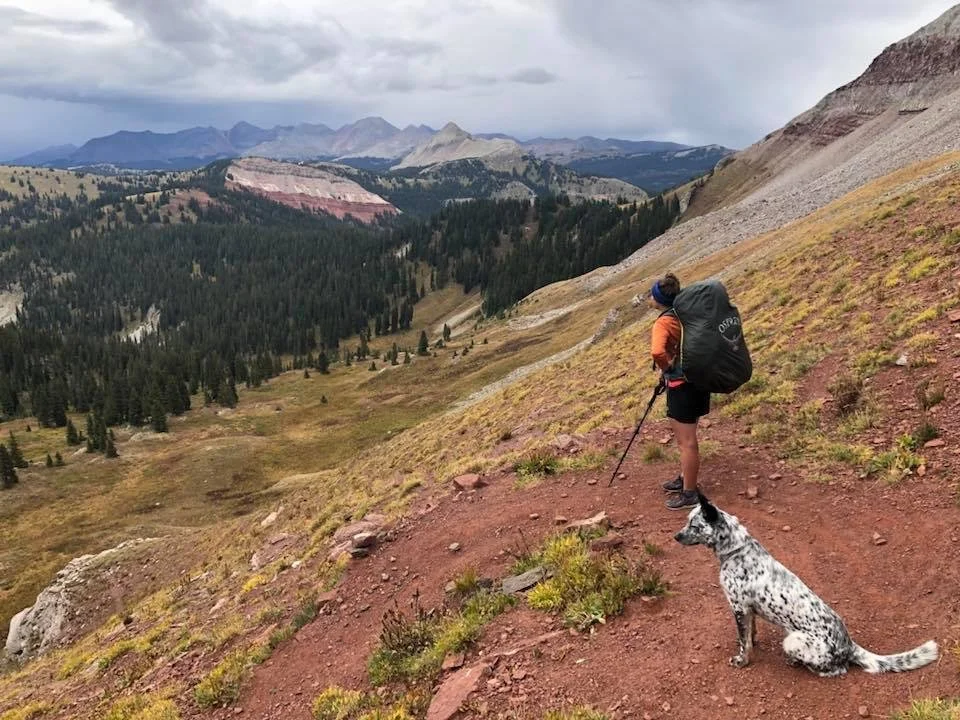
On the Colorado Trail in the San Juan Mountains, I remember feeling a constant low-level tension I hadn’t expected.
We were hiking with our dog, Aska, moving through a stretch of trail where sheep were grazing on nearby public lands. The guard dogs were doing their job—watchful, protective, and not particularly interested in negotiating with passing hikers.
It changed how we moved. We stayed alert. Gave space. Read the landscape differently.
There was an understanding, even if it wasn’t spoken: we were all using the same corridor in different ways, and it only worked if we respected that.
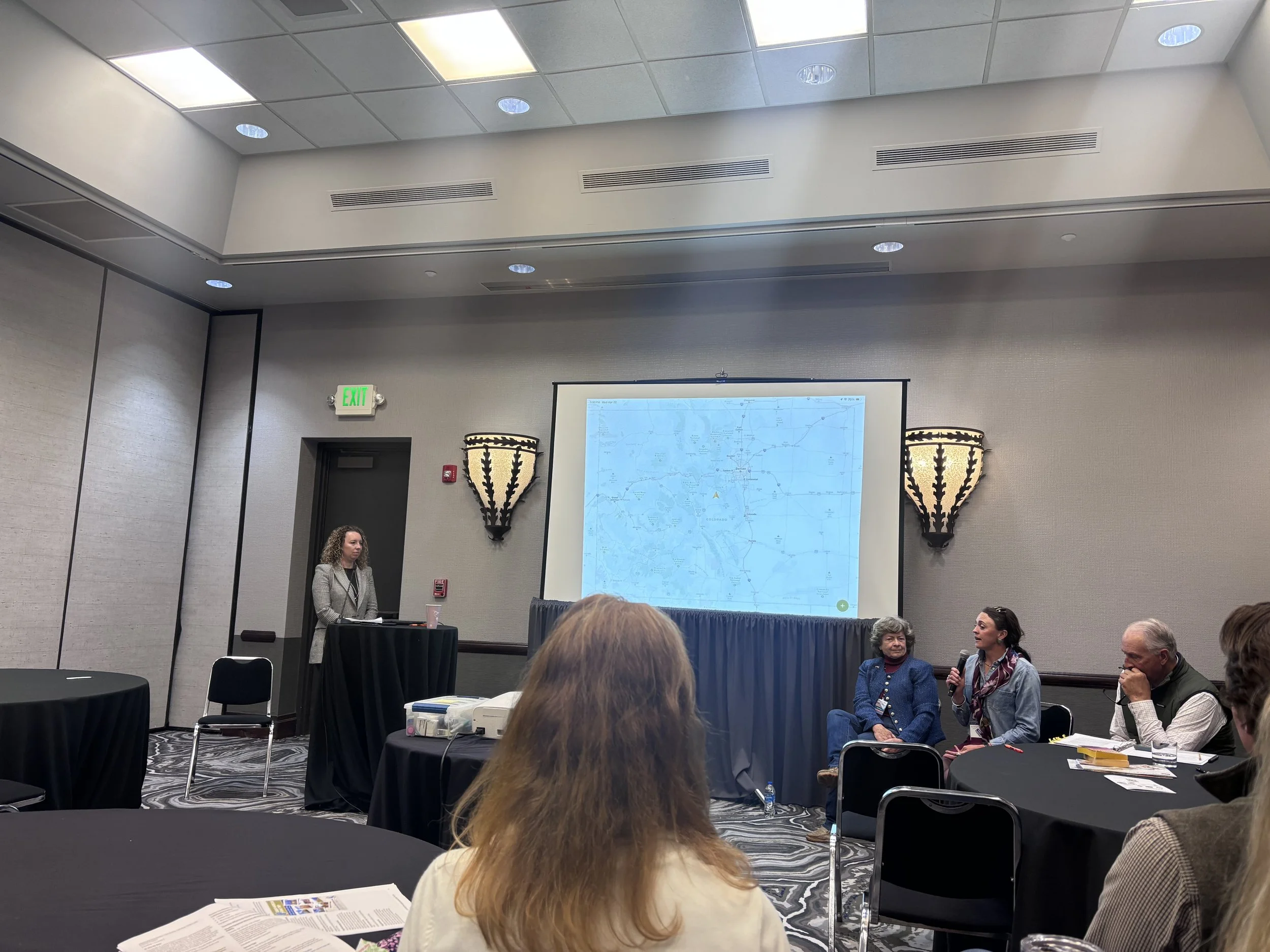
That experience came back to me recently at a session on “working lands” at the Partners in the Outdoors Conference. Ranchers spoke about their day-to-day reality of managing cattle on or near public lands, often in close proximity to recreation.
What stood out wasn’t conflict—it was care.
Many described a deep, generational relationship with the land. A responsibility not just to make a living, but to keep that land productive and intact over time. And increasingly, that includes leaning into conservation practices. Research from the USDA Natural Resources Conservation Service shows that well-managed grazing can improve soil health, support plant diversity, and maintain open space. In Colorado, Colorado Parks and Wildlife also notes that private and working lands are critical for wildlife habitat and migration corridors.
It challenged my own assumptions.
Their connection to the land looks different than mine, but it’s still rooted in stewardship.
At the same time, their frustrations were clear—and familiar.
They talked about trash dumping on private land. Trespassing that puts both people and livestock at risk. Recreation that shows up without understanding the context—like loud motorcycles disrupting cattle and wildlife movement. Not because people don’t care, but because they don’t always know what’s at stake.
What they want isn’t complicated. They want to be part of the conversation.
Several ranchers shared that they’d welcome opportunities to connect—tours, conversations, chances to help people understand how their operations work. But more than anything, they want a seat at the table when decisions about outdoor recreation are being made. Their perspective comes from working the land every day, often for generations.
Sitting in that session, I felt a surprising sense of alignment.
In adaptive recreation, we’ve been having a similar conversation. Decisions about access are often made without the input of people who actually rely on adaptive equipment to be outside. Assumptions shape policies. Use is defined without lived experience at the center.
It’s a different context, but a similar pattern.
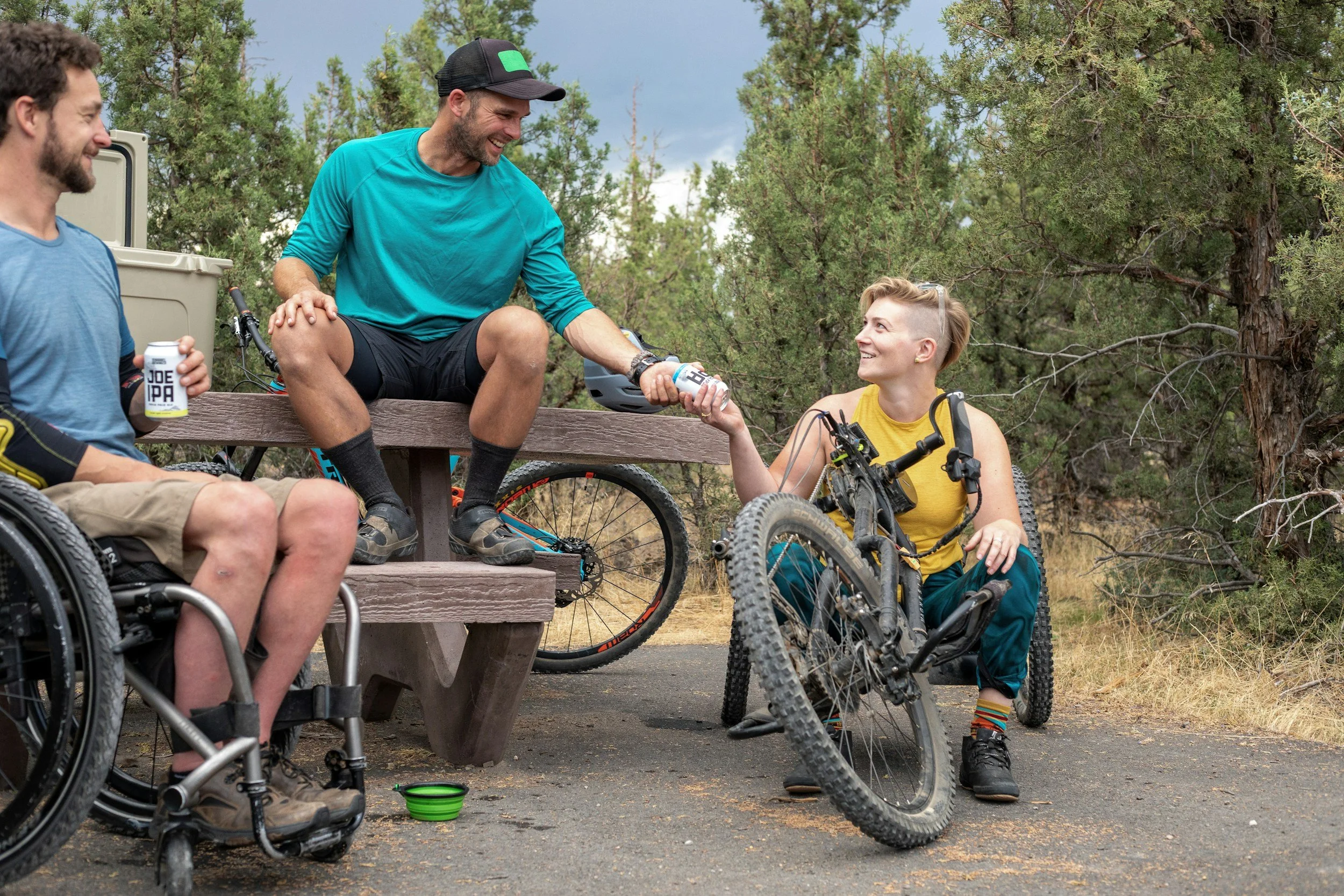
What I took from both the trail and that conversation is this: shared use isn’t just about proximity. It’s about awareness.
It’s recognizing that landscapes hold multiple relationships at once—recreation, habitat, livelihood—and that none of them exist in isolation.
The goal isn’t to remove tension entirely. It’s to navigate it with respect.
Because when we do, we move closer to outdoor spaces that reflect all the ways people live, work, and connect to the land.