Accessibility Made Your Day Easier (You Didn’t Realize It)
Most people think “accessible” means something extra—something added on later for a small group of people.
But that’s not really how it works.
A lot of the things we use every day for convenience were actually designed with people with disabilities in mind from the start. They weren’t bonus features. They were solutions. And over time, they became things everyone uses.
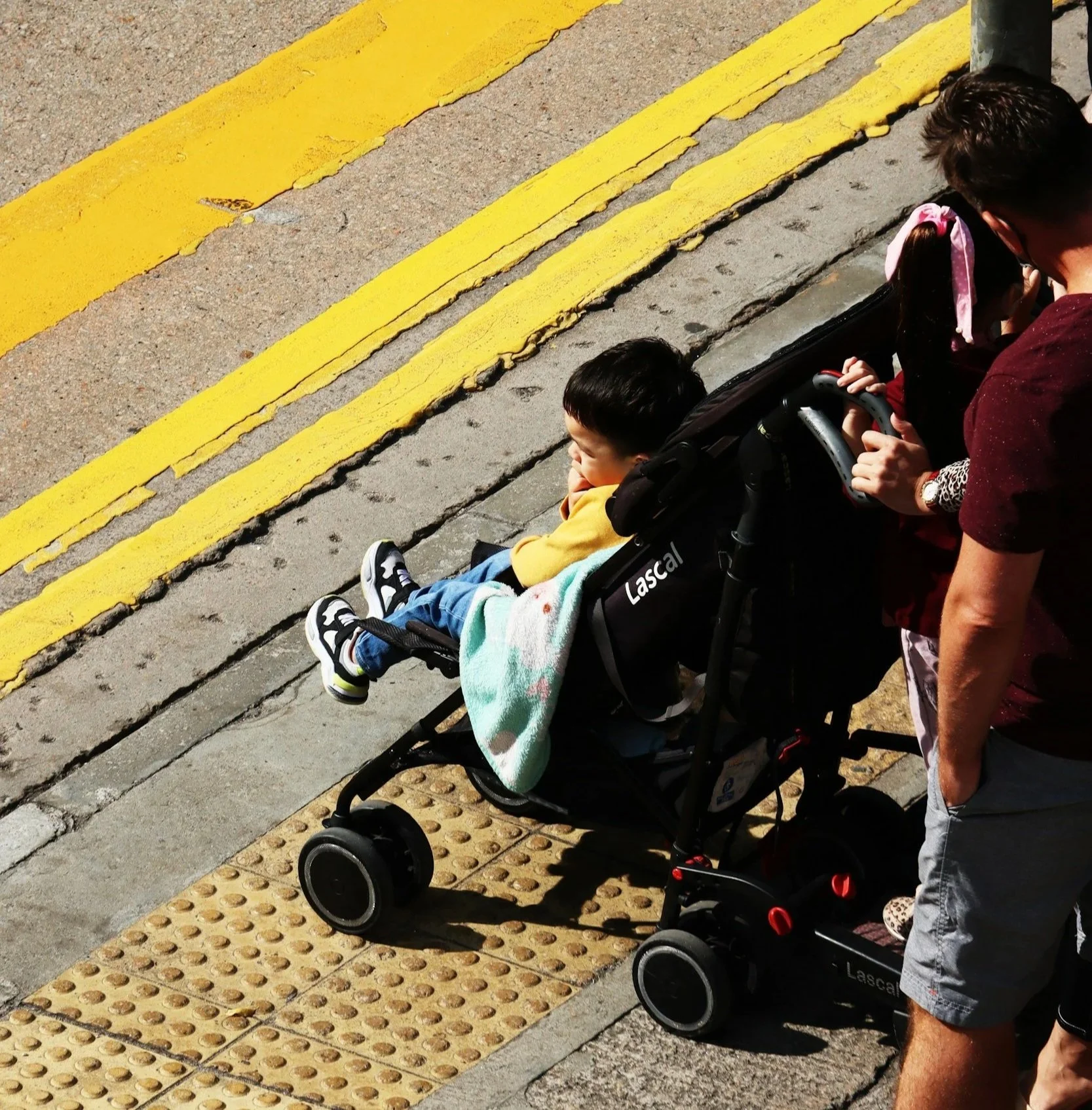
Curb cuts and closed captioning are the examples most people know. They come up in every accessibility conversation. But they’re just the beginning.
So much of your daily routine is shaped by accessibility—you just might not realize it.
Think about how your day starts.
You wake up, shuffle into the bathroom, and grab your electric toothbrush. It’s quick, efficient, and does most of the work for you. What most people don’t realize is that electric toothbrushes were originally developed for people with limited motor control—folks who couldn’t rely on the fine hand movements needed for manual brushing. The “convenience” most of us appreciate today started as access.
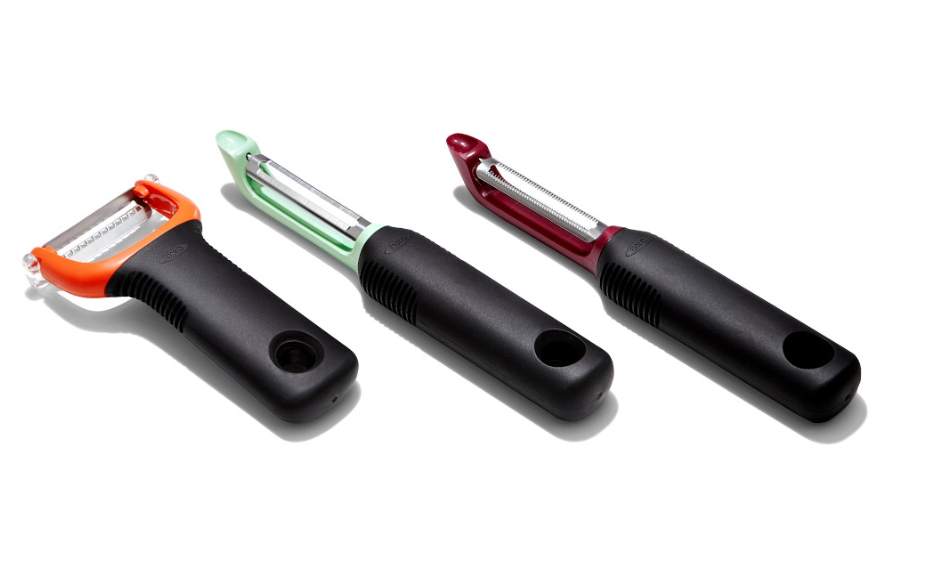
picture credit from Williams Sonoma of OXO kitchen appliance
From there, you probably head into the kitchen.
You grab a vegetable peeler, a can opener, maybe a knife—tools that feel comfortable in your hand, with thicker grips and designs that don’t require a ton of force. Brands like OXO built entire product lines around this idea after the founder noticed his wife struggling with arthritis. Those now-iconic Good Grips handles were designed to reduce strain and improve control. Today, they’re just considered good design.
And maybe you pour yourself a drink. If you toss in a flexible straw, that’s another one. Bendable straws became widely used in hospitals because they allowed people who were lying down or had limited mobility to drink more easily. What feels like a small convenience at your kitchen table has a much deeper origin in making something basic—like drinking water—more accessible.
Then your day really gets going.
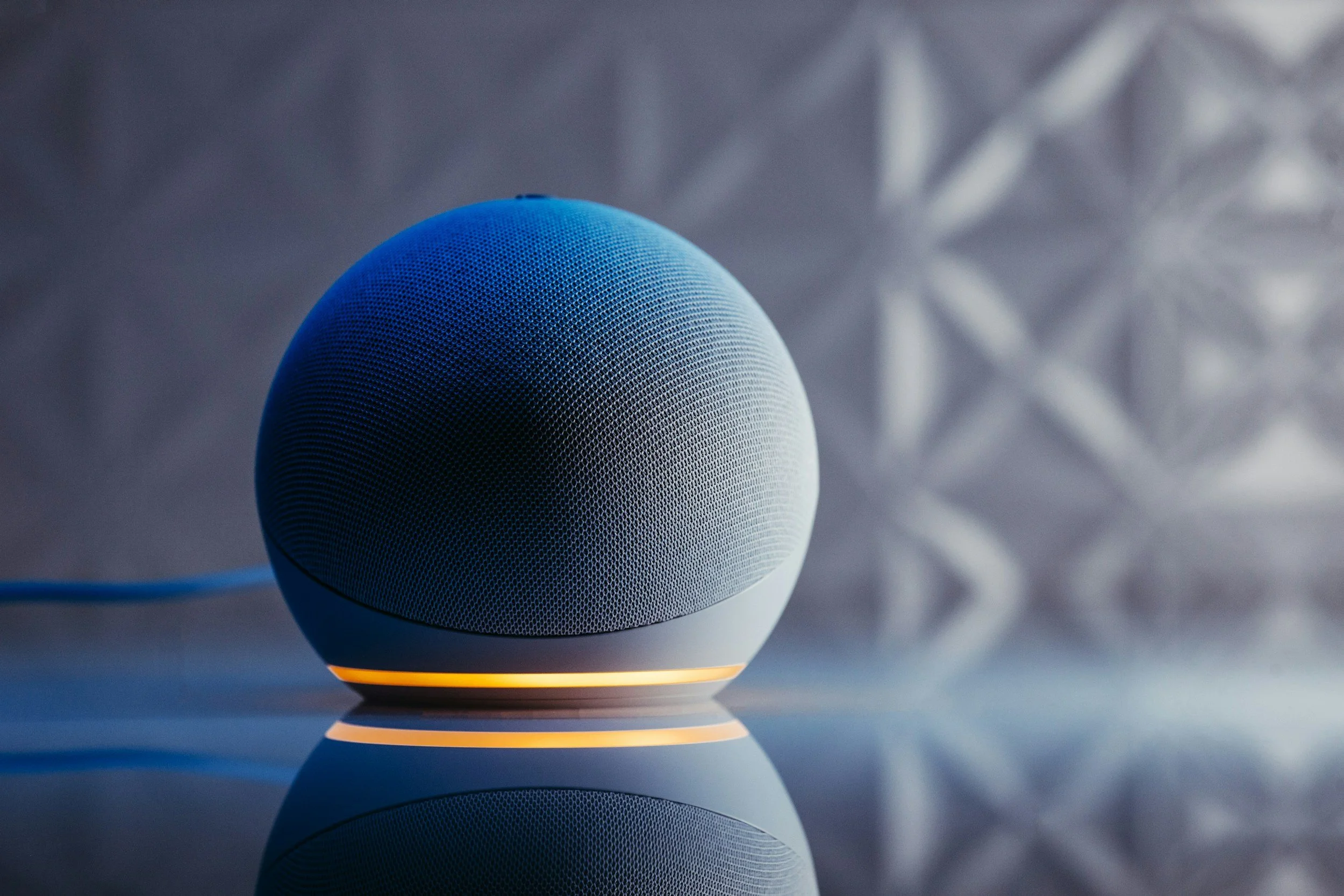
You ask Amazon Alexa for the weather while you’re getting ready, or use voice-to-text to send a quick message. Voice recognition technology was developed to support people who couldn’t easily use a keyboard or touchscreen. Now, it’s one of the fastest ways to interact with our devices.
Same goes for audiobooks. Originally created for people who are blind or have print disabilities, audiobooks have completely changed how people read. Long drive? Audiobook. Walking the dog? Audiobook. Too tired to look at a screen? Audiobook. What started as access is now just another way people fit stories and information into their lives.
And then, at the end of the day, you wind down.
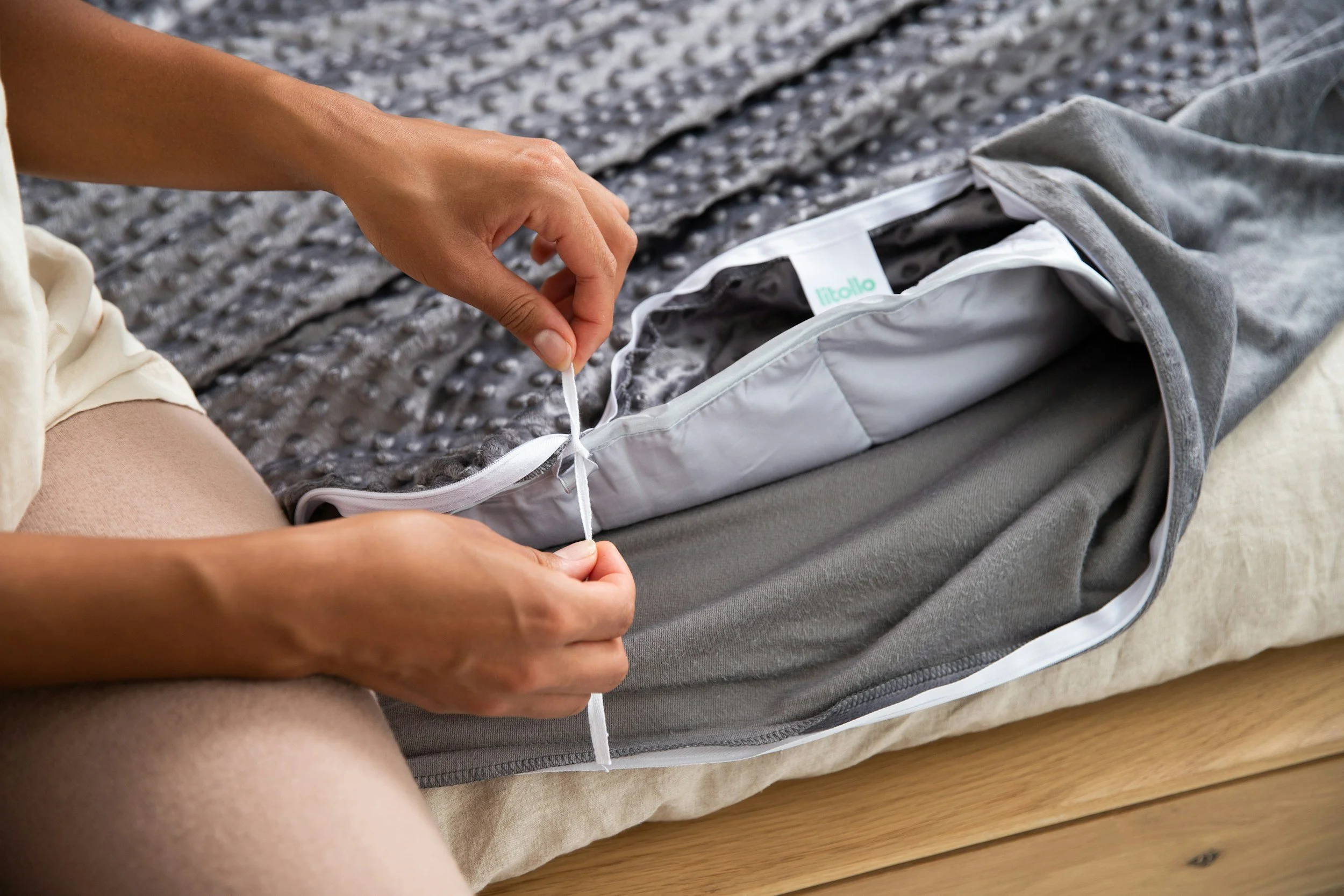
You crawl into bed and pull up a weighted blanket. That deep, even pressure can feel calming after a long day. Weighted blankets were first used in therapeutic settings, especially for people with autism or sensory processing differences, to help regulate the nervous system and improve sleep. Now they’re marketed to just about everyone—and for good reason. They work.
Here’s the thing: none of these innovations are “extra.”
They’re part of how we move through the world.
Accessibility has never been about a small group of people. It’s about designing for the full range of human experience. And when we do that well, the result isn’t just access—it’s better products, better spaces, and easier ways to get through the day—for all of us.