Accessibility in Japan: What Happens When It’s Just Standard
Traveling somewhere new always changes how I notice things, but my recent trip to Japan made me pay attention in a different way—especially when it comes to accessibility.
One of the first things I noticed was the tactile paving. It wasn’t just in a few places—it was everywhere. Train stations, sidewalks, street crossings—it created this continuous path of navigation for people with visual impairments. What stood out to me wasn’t just that it existed, but how consistent it was. You didn’t have to wonder if it would suddenly disappear or stop being helpful. It was reliable. And that kind of consistency matters more than we often realize because it allows people to move through spaces with more confidence and independence.
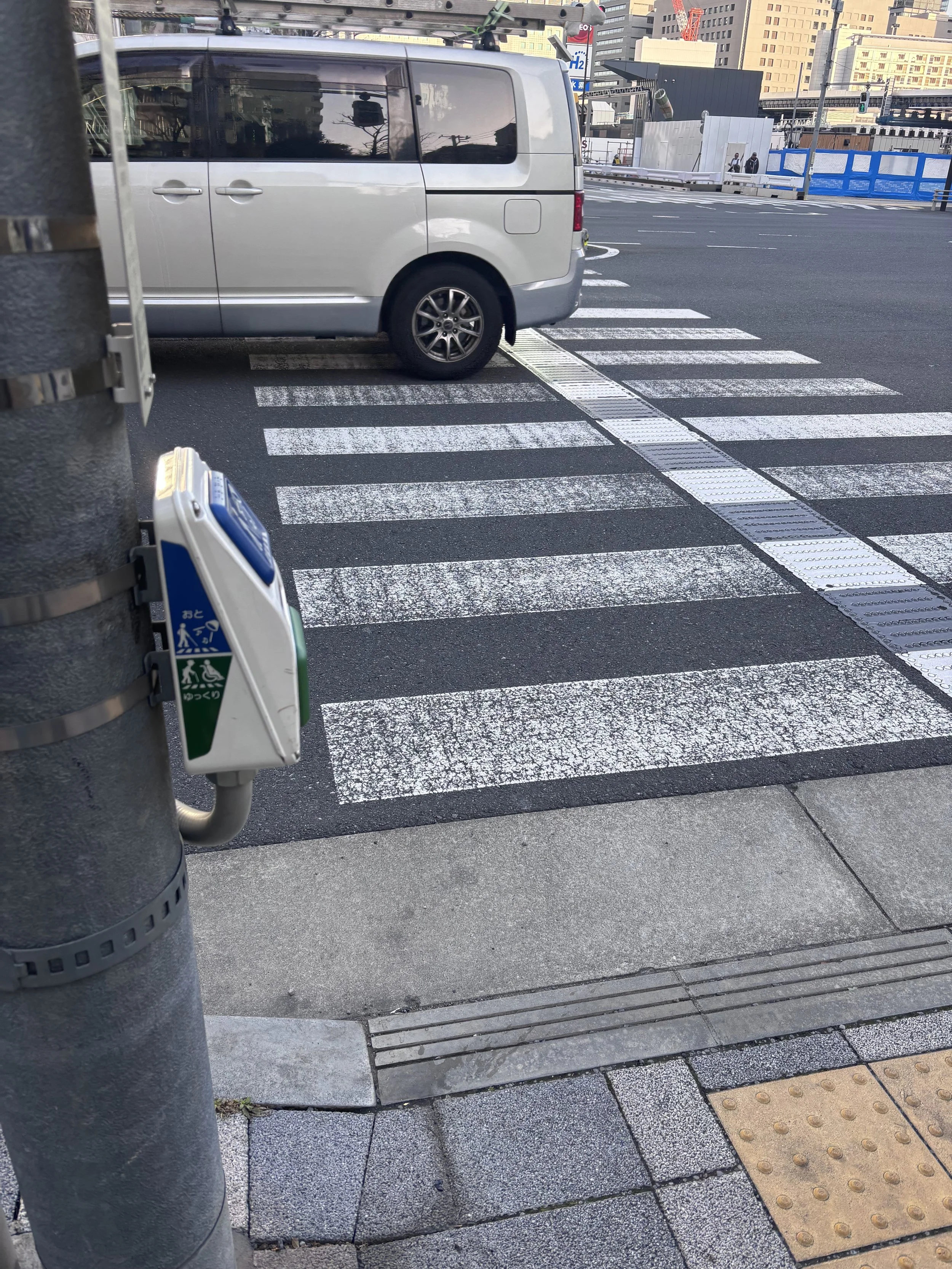
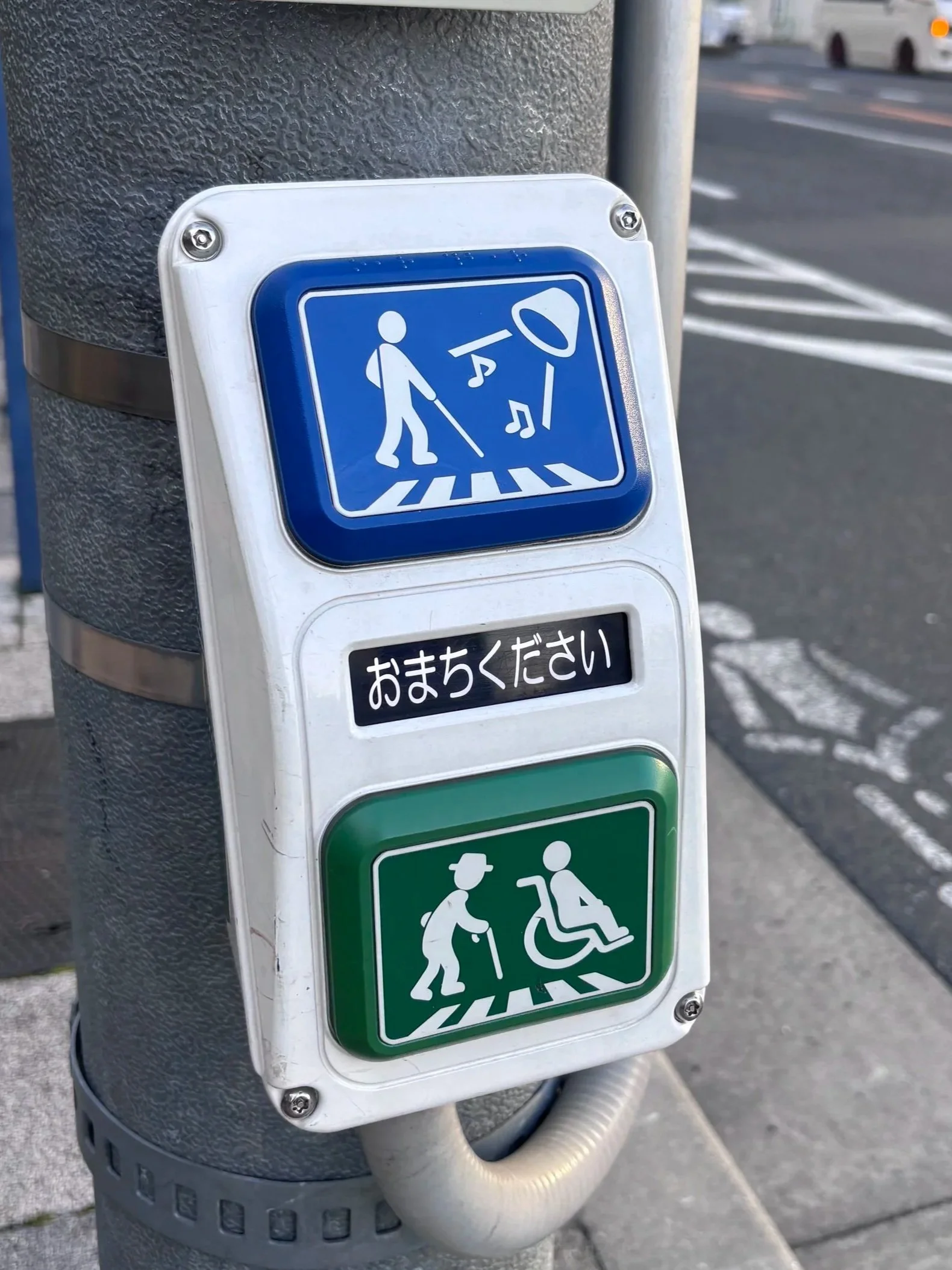
There were also a lot of auditory cues built into public spaces. In train stations and near restrooms, there were announcements that helped orient you—letting you know where things were without having to search for signage. Even street crossings had audible signals. It made everything feel more intuitive. And again, it didn’t feel like a special feature—it just felt like how things were designed.
Bathrooms were another area where I kept having these “why don’t we do this?” moments. Automatic pocket doors were standard, which made getting in and out way easier. Bidets were everywhere, which might not always get talked about in accessibility conversations, but they matter. They can make a big difference in allowing someone to manage hygiene independently.
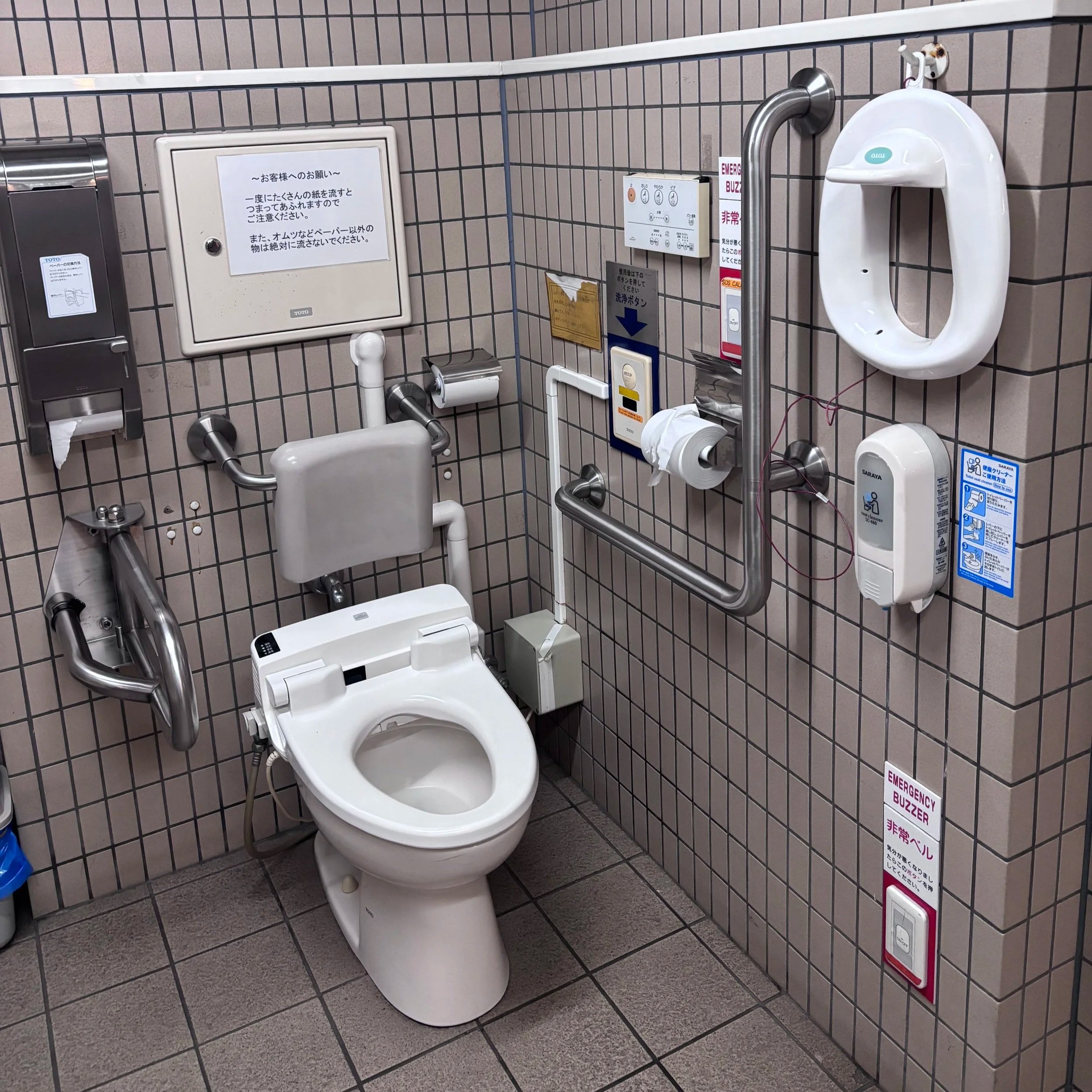
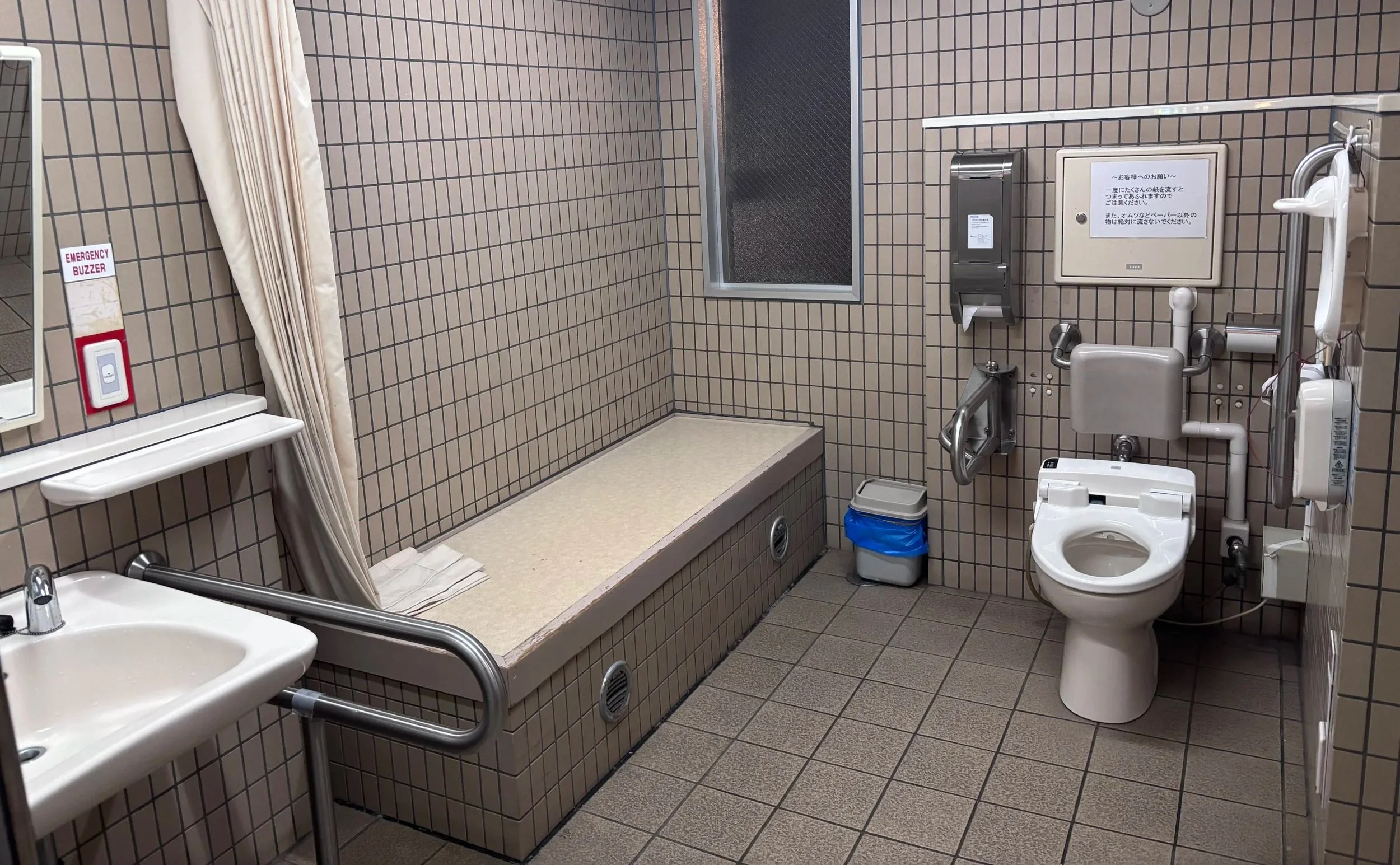
And then there were things I almost never see in the U.S. At one bus station, there was an adult-sized changing table. That stopped me for a second. It’s such a simple concept, but it reflects a level of awareness that’s often missing. There were also built-in child seats in bathroom stalls, which might seem small, but make a huge difference for parents or caregivers.
What really stuck with me, though, is that none of this felt over the top. It didn’t feel like extra effort or special accommodations. It just felt normal. And because of that, it wasn’t just benefiting people with disabilities—it was helping a much wider group of people. Older adults, families, people traveling with luggage…everyone.
In the U.S., accessibility is often treated like something extra—something you add on if you have the budget or are required to. But in Japan, it felt more like a baseline expectation. Not perfect, but built in.
It left me thinking about how different our spaces could feel if we approached accessibility the same way—not as an afterthought, but as just part of good design.