The EXPLORE Act Has Direction — But Without Funding, It Can’t Deliver Real Access
The EXPLORE Act is one of the more meaningful federal steps we’ve seen in a while toward improving access to public lands. At its core, it reflects something advocates, practitioners, and people with disabilities have been saying for years: access isn’t just about whether a place exists—it’s about whether people can actually use it.
For accessibility, the Act moves in the right direction. It prioritizes improving and maintaining recreation infrastructure, expanding tools that help people understand conditions before they arrive, and building a more consistent approach to access across federal lands. It also reinforces something that often gets missed in practice: access is not a one-time project. It is ongoing work.

In other words, it finally points policy in the direction many communities have already been pushing toward.
But direction is not the same as implementation.
Right now, Congress has not provided the level of funding needed to actually carry these provisions out at scale. And that’s where the gap shows up—not in intent, but in capacity.
Joe Stone’s testimony makes this feel very real. He describes a system where people with disabilities are actively seeking out outdoor experiences, not avoiding them, but repeatedly running into barriers that could have been prevented with better systems and support. A family arrives expecting access and finds steps instead. A trail is described as accessible, but isn’t in practice. Even well-meaning improvements fall short when information, maintenance, or design doesn’t fully hold up in the real world. The issue is not willingness—it’s whether the system is resourced to deliver on what it promises.
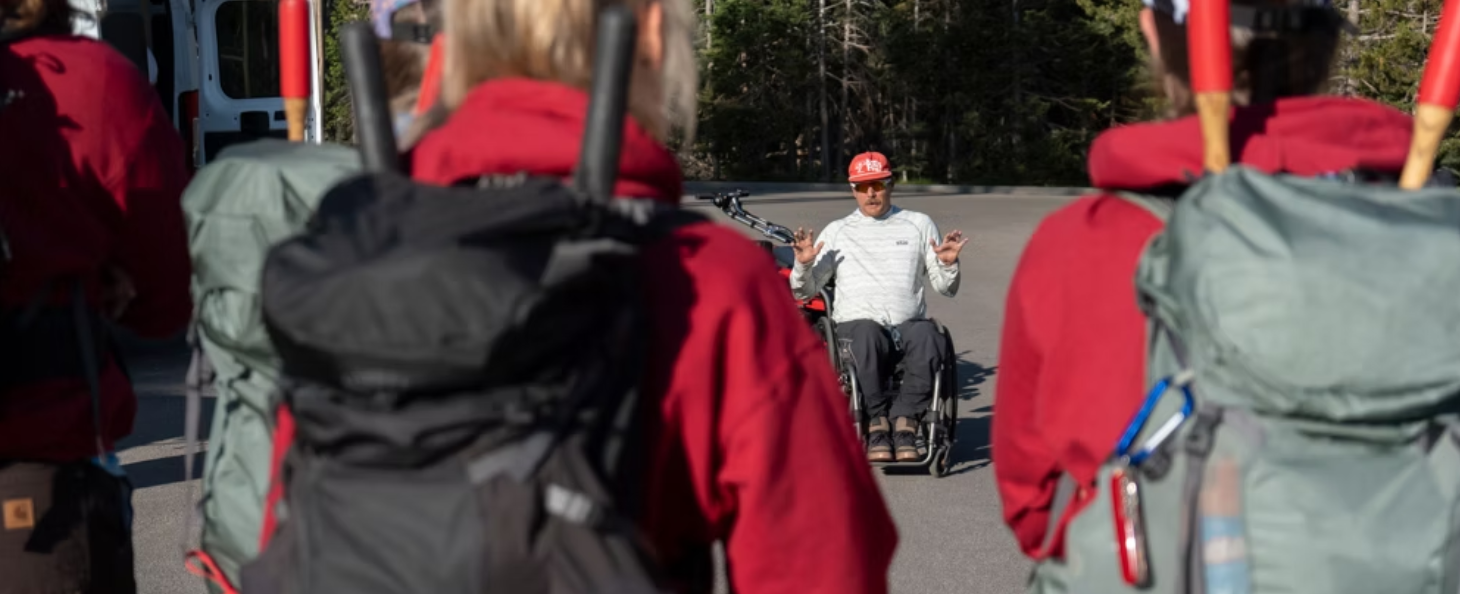
photo credit from Dovetail Consulting
Mike Passo’s testimony points to what that looks like at scale across the country. Implementation depends heavily on staffing capacity and institutional support. In some places, strong partnerships and adequate resources allow work to move forward. In others, staffing shortages and limited capacity slow or stall even well-designed efforts. As he notes, when capacity drops, even basic maintenance and coordination suffer—and projects that should improve access simply don’t move.
That’s the quiet reality underneath all of this: access becomes uneven. Not because the law is unclear, but because the system delivering it is stretched thin.
And that brings us back to funding.
The EXPLORE Act gives us a framework for progress, but without sustained investment, it risks becoming another example of policy that points in the right direction without fully reaching the ground. Agencies cannot build, maintain, and improve access without staff time, technical support, and long-term funding stability. Partners cannot fill those gaps indefinitely.
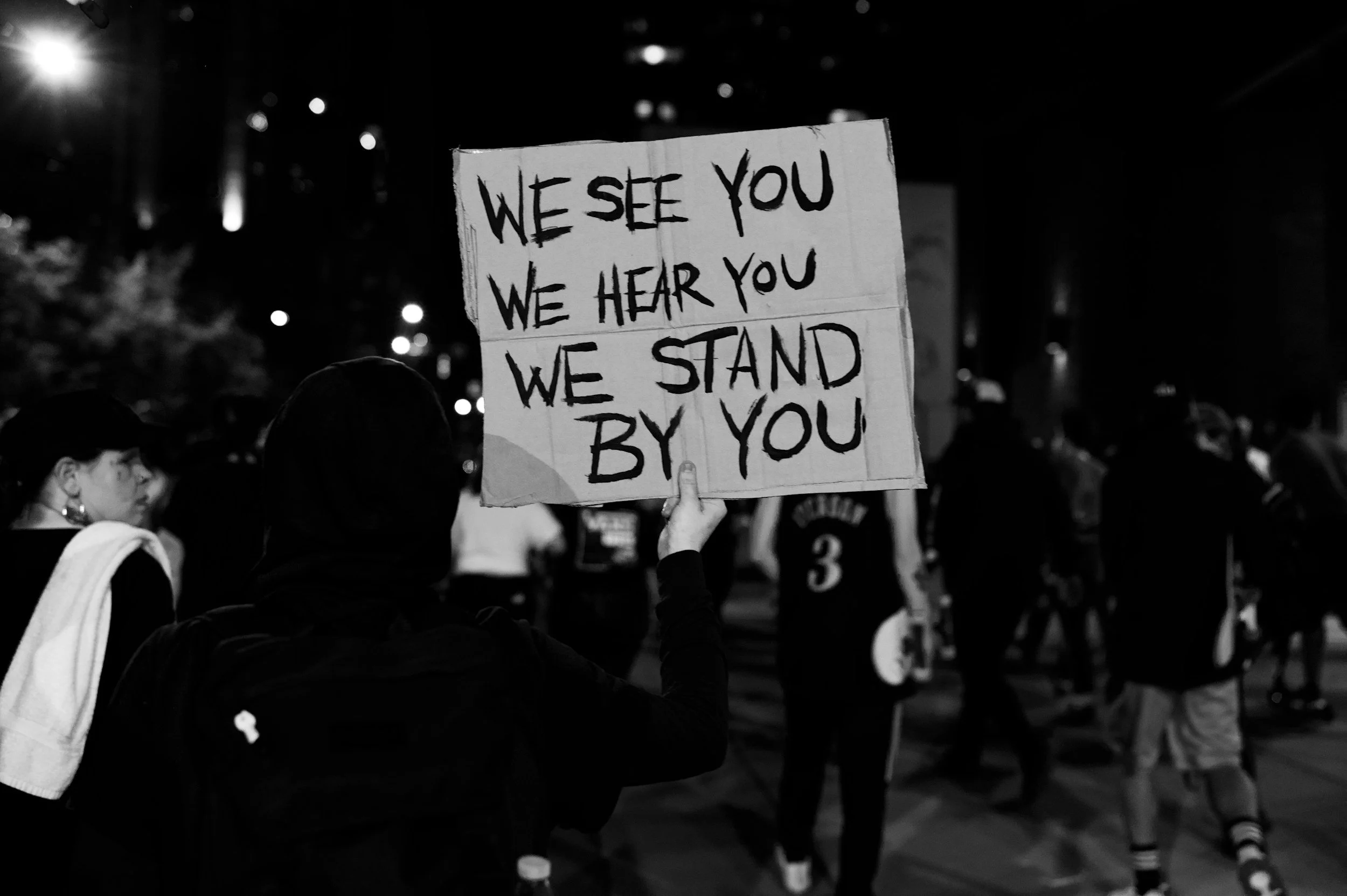
At the same time, we are making national choices about where attention and resources go. And right now, the current administration is prioritizing monuments to himself, his own created war, and even a slush money fund for people from January 6th over the needs people with disabilities on their public lands.
So where does that leave us?
It brings us back to the point both Stone and Passo make in different ways: we already know what needs to change. The barriers are well understood. The solutions are already on the table.
What’s missing is the commitment to fully fund them.
The EXPLORE Act gives us direction. Now it’s on us—through pressure, through policy, and through who we choose to support in this midterm election—to make sure it becomes action. Let’s speak up and make sure our representatives are implementing change that can actually make a difference!