My Hospital Survival Guide: Tips from a Physical Therapist
As an accessibility consultant, I spend a lot of time helping people access the outdoors, their communities, and the activities they love. But one reality I can't ignore is that sometimes we all need healthcare—and sometimes that healthcare means spending time in a hospital.
As a physical therapist who works in a hospital, I also know something else:
Hospitals aren't exactly designed to be comfortable.
You lose a surprising amount of control. You don't decide when someone walks into your room. You don't choose when your medications arrive. Machines beep at all hours. You have to call to go to the bathroom. The temperature is somehow always either too hot or too cold. It's difficult to sleep, difficult to relax, and easy to feel like you've lost your independence.
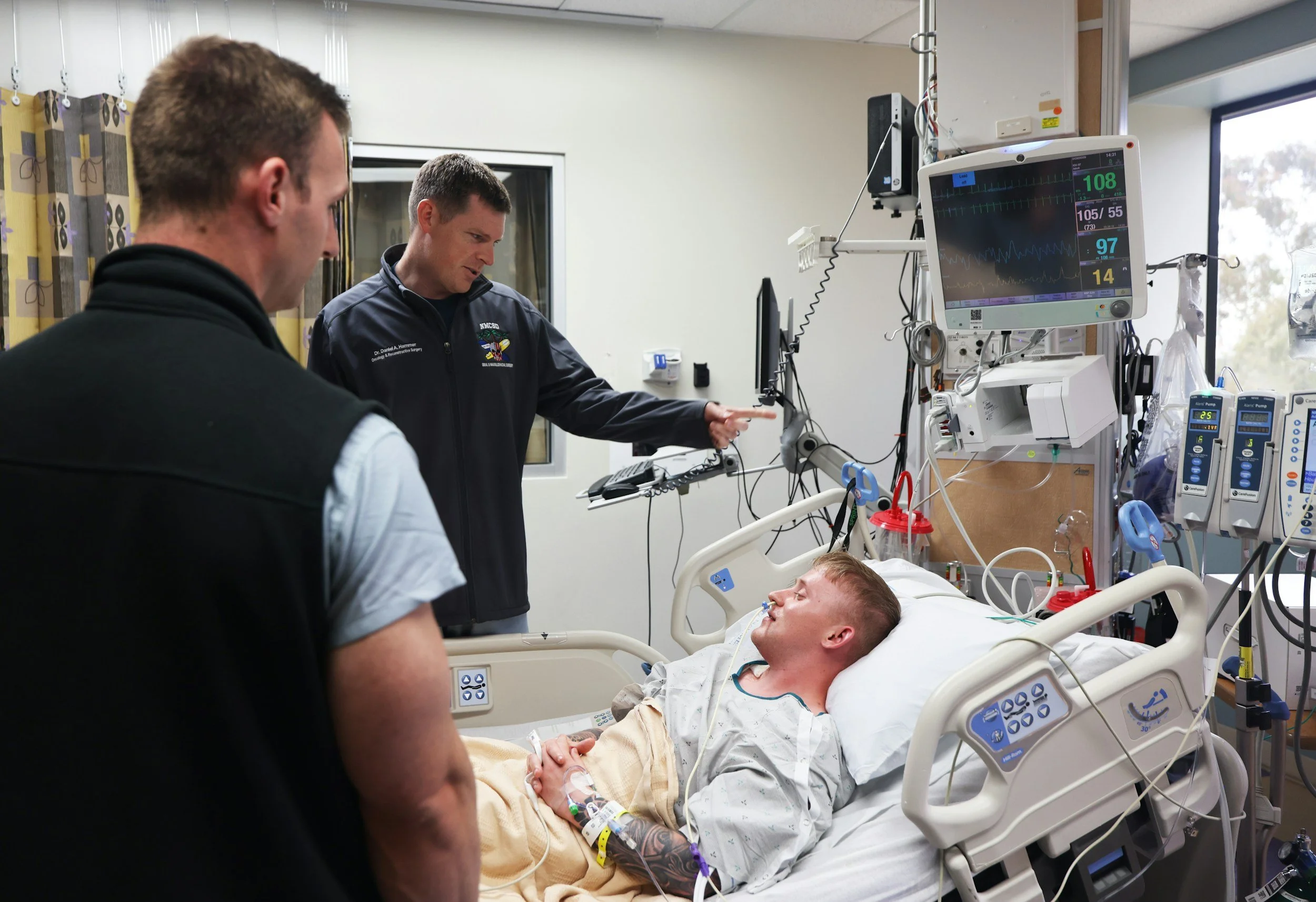
While I can't change those realities, there are a few things I recommend to almost everyone who finds themselves admitted to a medical or surgical floor. (These tips aren't intended for patients in the ICU or those with specialized care needs.)
What to Bring (or Ask Family to Bring)
Earplugs. Hospitals are noisy—even overnight. Between monitors, hallway conversations, and staff checking on patients, every little bit of noise reduction helps.
An eye mask. Maybe you can't sleep at night but finally feel tired during the day. Or maybe someone flips on the lights at 5:30 a.m. An eye mask gives you one small piece of control over your environment.
Your favorite snacks. Hospital food has improved, but having snacks you genuinely enjoy can make a long day much better. Just be sure they fit within any dietary restrictions your care team has given you.
Good chocolate for the nurses. Is this technically bribery? Maybe. Do I think nurses appreciate being appreciated? Absolutely.
A cozy blanket. Hospital blankets do their job, but they're not exactly luxurious. A soft blanket from home can make your room feel much more comfortable.
Your own pillow. There is something incredibly comforting about resting your head on your own pillow after a stressful day.
A zip-up sweatshirt or sweater. Hospital gowns make it easy for staff to examine you, but they don't do much for warmth. A zip-up layer keeps you comfortable while still allowing easy access for medical care.
Things to keep your mind occupied. Books, crossword puzzles, coloring books, crocheting, podcasts, downloaded TV shows, or music can make the hours pass much more pleasantly.

Things to Ask For
1. Ask for clarification.
Doctors, nurses, and therapists use medical language every day. Sometimes we forget that everyone else doesn't.
If someone explains your diagnosis or treatment plan and you don't understand, simply say:
"I don't know what that means. Can you explain it another way?"
You are not wasting anyone's time. Understanding your own health is incredibly important, and your care team wants you to understand what's happening.
2. Ask how they reached their recommendation.
If you're unsure about a diagnosis or treatment plan, it's okay to ask questions that help you understand the team's thinking.
One of my favorite questions is:
"What are the differential diagnoses for my condition and what did you do to rule them in and out?"
This isn't about challenging your healthcare team—it's about understanding their clinical reasoning. Most clinicians appreciate thoughtful questions, and the answer often provides reassurance about how carefully your case has been evaluated.
3. Ask if care can be grouped together.
One of the biggest complaints I hear from patients is that they never get uninterrupted sleep.
Depending on your medical condition, it may be possible for your nurses and other staff members to group medications, vital signs, blood draws, therapy sessions, or other routine care together instead of spacing them throughout the day or night.
You can also ask if it's safe to avoid being awakened until a certain time in the morning. This isn't appropriate for everyone—some medications and assessments simply can't wait—but it's always worth asking. Your care team will let you know what's possible.
Remember: You're Part of the Team
One of the best things you can do during a hospital stay is remember that you're an active member of your healthcare team.
Ask questions.
Speak up when you're uncomfortable.
Tell us what's helping—and what isn't.
We can't always change your diagnosis, but we can often make your experience better.
Healing is hard enough. A little preparation, a little comfort from home, and a little communication can go a long way toward making the hospital feel just a bit more human.