One of the things I love about combining physical therapy and accessibility consulting is getting to look at outdoor recreation from a different perspective. I'm able to take what I've learned about the human body, movement, and physical function and apply that knowledge to the places where people want to spend their time.
I wanted to create a space to share more of that knowledge, so I'm excited to introduce PT Lens, a quarterly series from Every Body Outside Consulting. Each edition will focus on a specific medical diagnosis, what it can mean for someone's experience outdoors, and some of the ways land managers can make their spaces more welcoming and usable.

For this edition, we're looking at Postural Orthostatic Tachycardia Syndrome (POTS), a condition that affects how the body regulates heart rate and circulation when someone changes positions.
Normally, our autonomic nervous system adjusts heart rate and blood vessel activity when we stand up, helping maintain blood flow to the brain. With POTS, this response doesn't work as it should. Some people experience blood pooling in their lower body, reducing the amount of blood returning to the heart. The heart responds by beating faster to compensate. Symptoms can include dizziness, lightheadedness, heart palpitations, weakness, exercise intolerance, and significant fatigue.
POTS has received more attention since COVID-19, as viral infections can trigger the condition in some people. I've worked with people experiencing long COVID who previously ran marathons but now struggle to walk around the block. One way to understand the physical demands is to think about carrying a 50-pound backpack everywhere you go. You wake up with it on, carry it through your morning routine, take it to work, and bring it along for every errand. Even activities that once felt effortless require more energy. You don't get to set it down when your shoulders are tired or your legs need a break. It's just there, adding weight to everything you do.
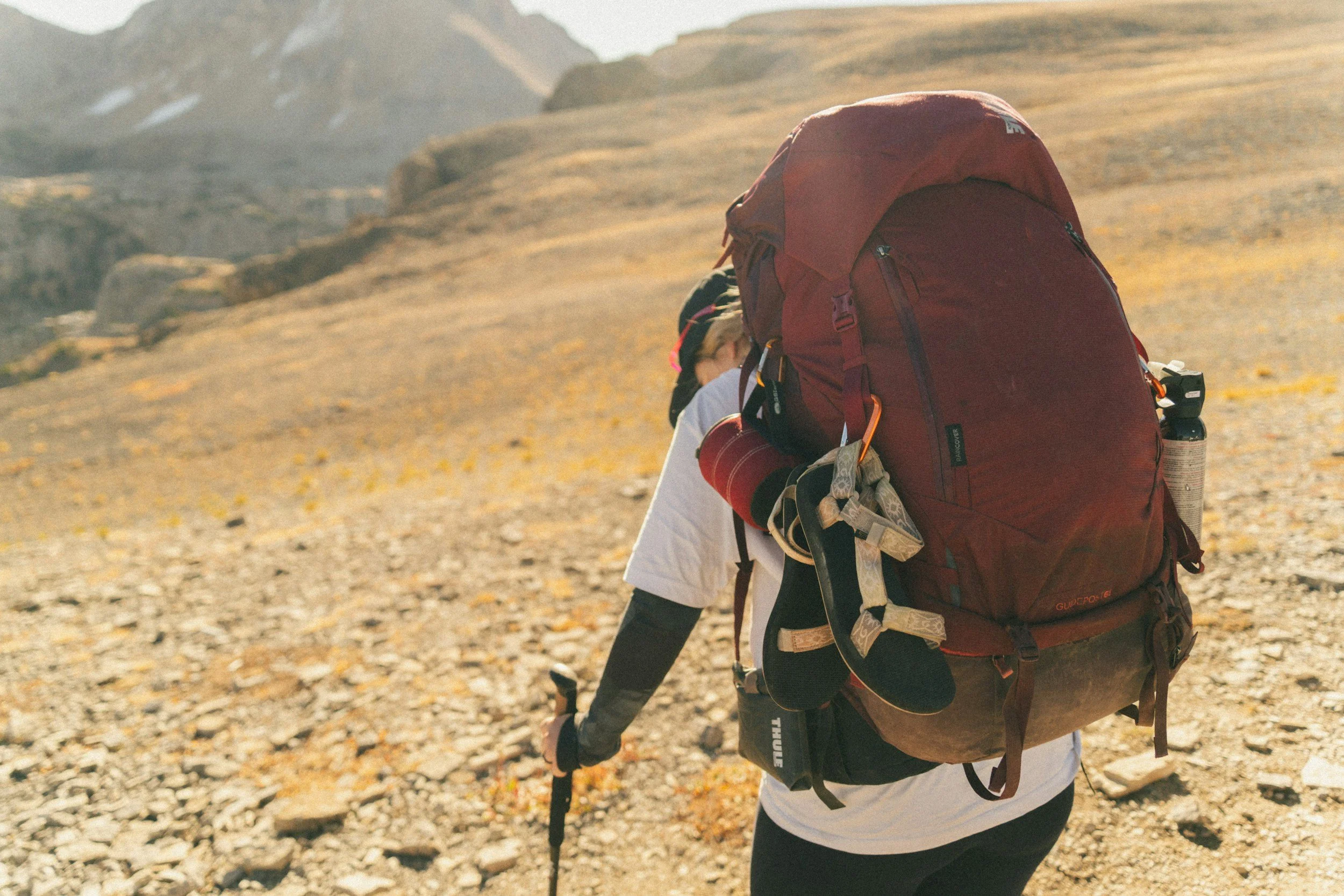
Now think about what happens when you finish a long day of hiking and finally take your backpack off. That feeling of relief, when your shoulders relax and your body almost feels like it's floating, is something many hikers know well. For someone with POTS, that feeling of taking the weight off isn't necessarily something they get to experience. Their body continues to manage those additional demands, even after the activity is over.
This becomes particularly important on trails with sustained climbs. Walking uphill adds cardiovascular demands to a body that is already working harder to regulate circulation. Heat can also aggravate symptoms for some people. Someone might arrive at the trailhead looking like an experienced, healthy hiker, but the physical effort required to complete the same distance can be considerably greater.
What can land managers do?
One practical improvement is providing more opportunities for seated rest, particularly along sustained or steeper sections of popular trails.
The Forest Service Trail Accessibility Guidelines (FSTAG) require resting intervals at the ends of qualifying trail segments. For grades greater than 5% and up to 8.33%, a resting interval is required at least every 200 feet. These intervals provide a relatively flat, firm, and stable place to stop, but they don't require a bench.
For someone with POTS, stopping to stand on a flat resting interval may not provide the same relief as sitting down. Remember that backpack? Sitting gives someone an opportunity to take some of the physical demand off their body, even if they can't completely remove the weight. It can reduce the demands of remaining upright and give them time to manage symptoms before continuing. Some individuals may also benefit from a more reclined resting position or additional recovery time.
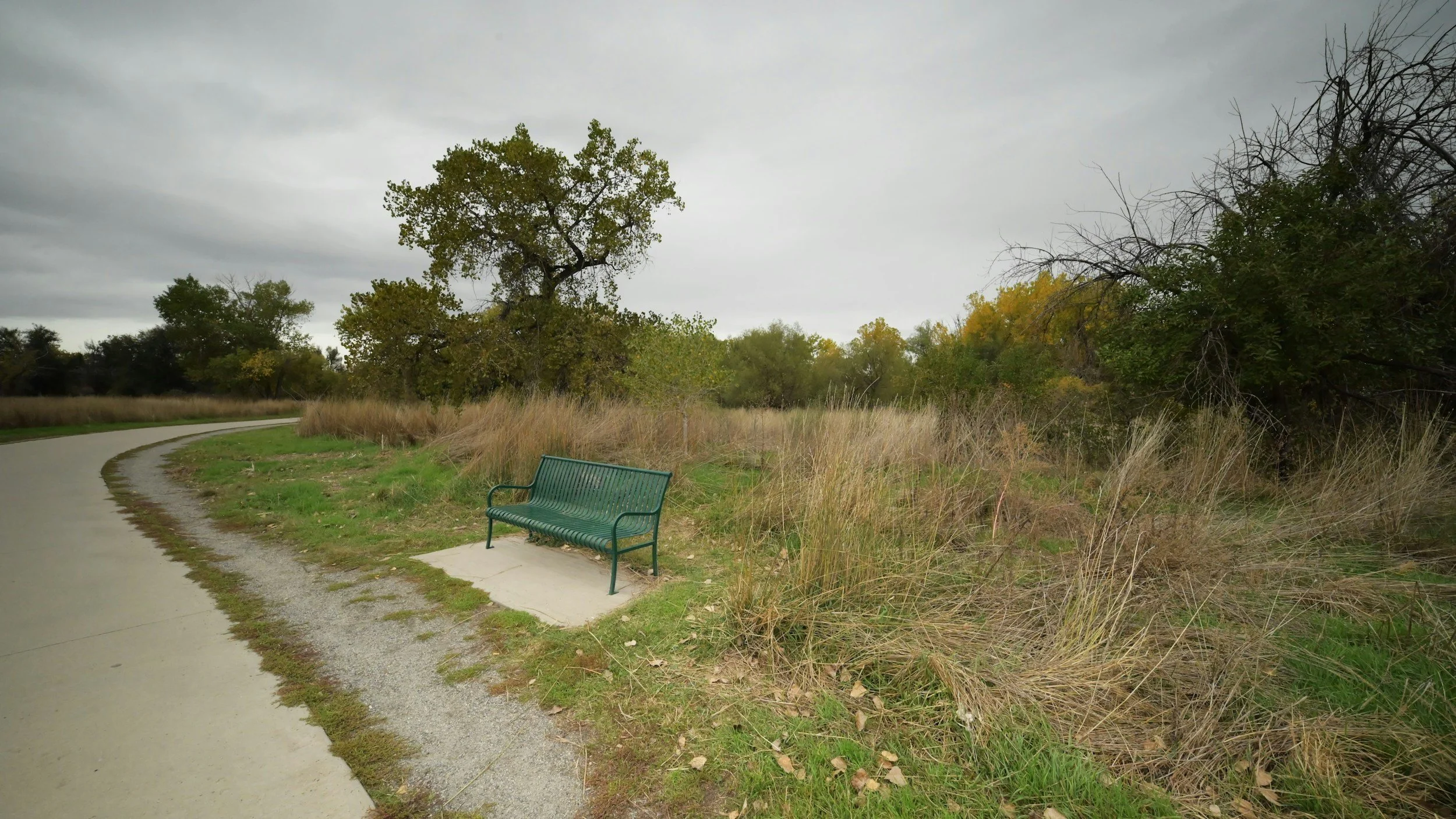
I would encourage land managers to consider budgeting approximately $3,500–$5,000 per installed bench, depending on site conditions and installation requirements. Maintenance matters, too. Erosion, runoff, and vegetation can make a bench difficult to reach, even after installation.
The City of Greeley's Accessibility Task Force established a goal of providing a bench approximately every 15 minutes of walking at a slower pace on flat trails. Steeper sections may require more frequent opportunities to rest.
Most hikers know the satisfaction of reaching the end of a long hike, taking off their backpack, and feeling that immediate sense of relief. For someone with POTS, that physical burden doesn't necessarily go away when they stop walking. Providing benches along a trail won't take the backpack off completely, but it can give someone a chance to sit down, recover, and make the next part of the hike a little more manageable.