Emotional Support Animals vs. ADA-Protected Service Animals: Why the Confusion Is Hurting Everyone
Let’s be honest: most people think they understand the difference between emotional support animals and service animals — but what’s happening in public spaces tells a very different story. That confusion isn’t harmless. It’s actively making life harder for people who rely on legitimate service animals protected under the Americans with Disabilities Act (ADA).
Under the ADA, a service animal is very narrowly defined. It’s not just an animal that helps someone feel better emotionally. A service animal is a dog that has been individually trained to perform specific tasks directly related to a person’s disability. Those tasks might include guiding someone who is blind, alerting a person who is deaf, detecting seizures, providing mobility support, or interrupting panic attacks through trained behavior. The key word here is trained. Comfort alone does not qualify.
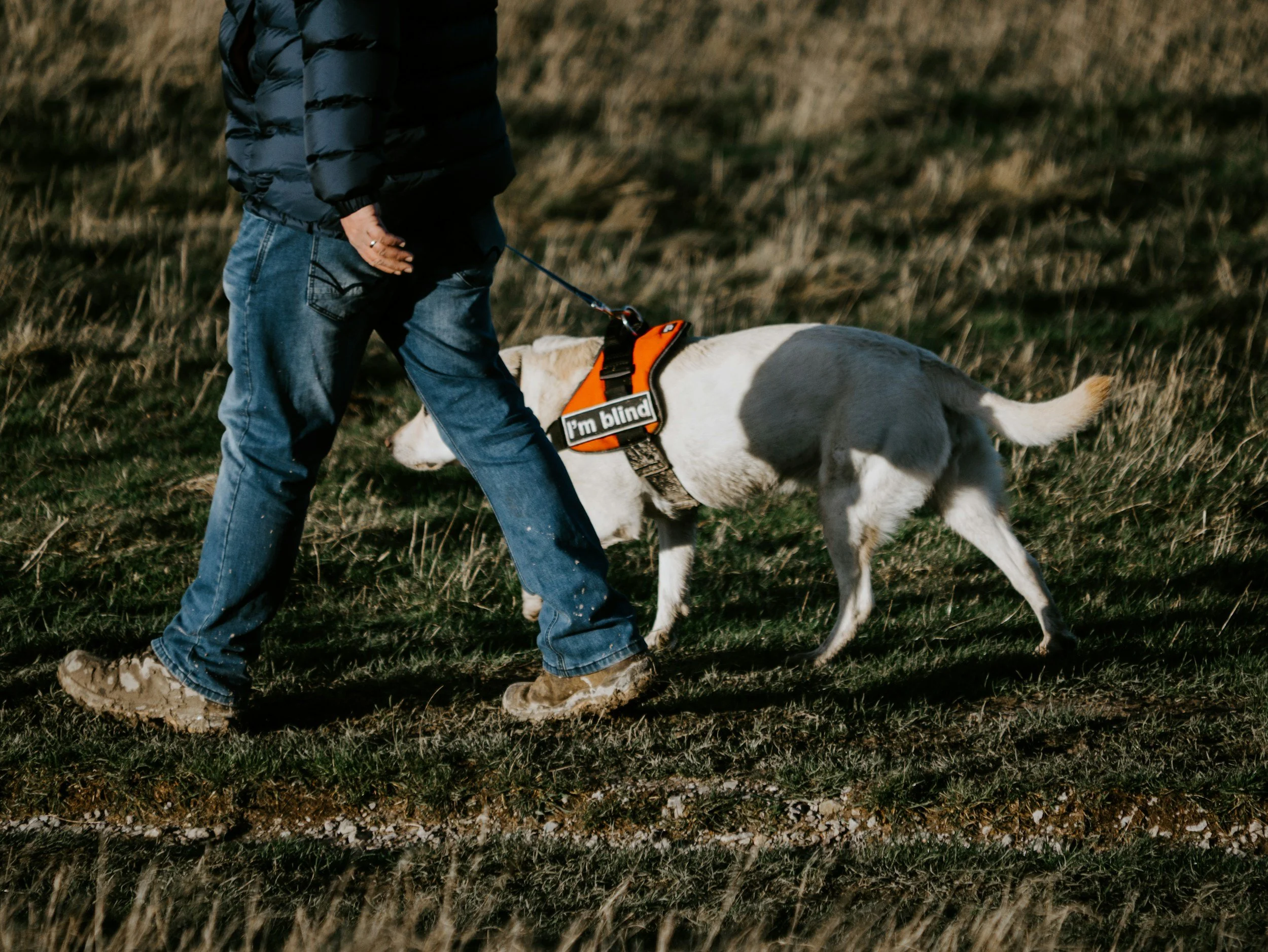
An emotional support animal (ESA), by definition, is an animal that provides emotional or psychological benefit simply by its presence. ESAs are not required to have specialized training, and they do not perform disability-specific tasks. Instead, they are typically prescribed or recommended by a licensed healthcare or mental health professional as part of a treatment plan for conditions like anxiety, depression, or PTSD.
That difference in function is exactly why ESAs are treated differently under the law. Emotional support animals are not protected under the ADA and therefore do not have the right to access public spaces such as restaurants, grocery stores, or ride-share vehicles. Their legal protections fall under other laws — most notably the Fair Housing Act — which may allow ESAs in housing situations where pets are normally restricted. That is a separate process with separate documentation and requirements, and it does not translate to public access rights.
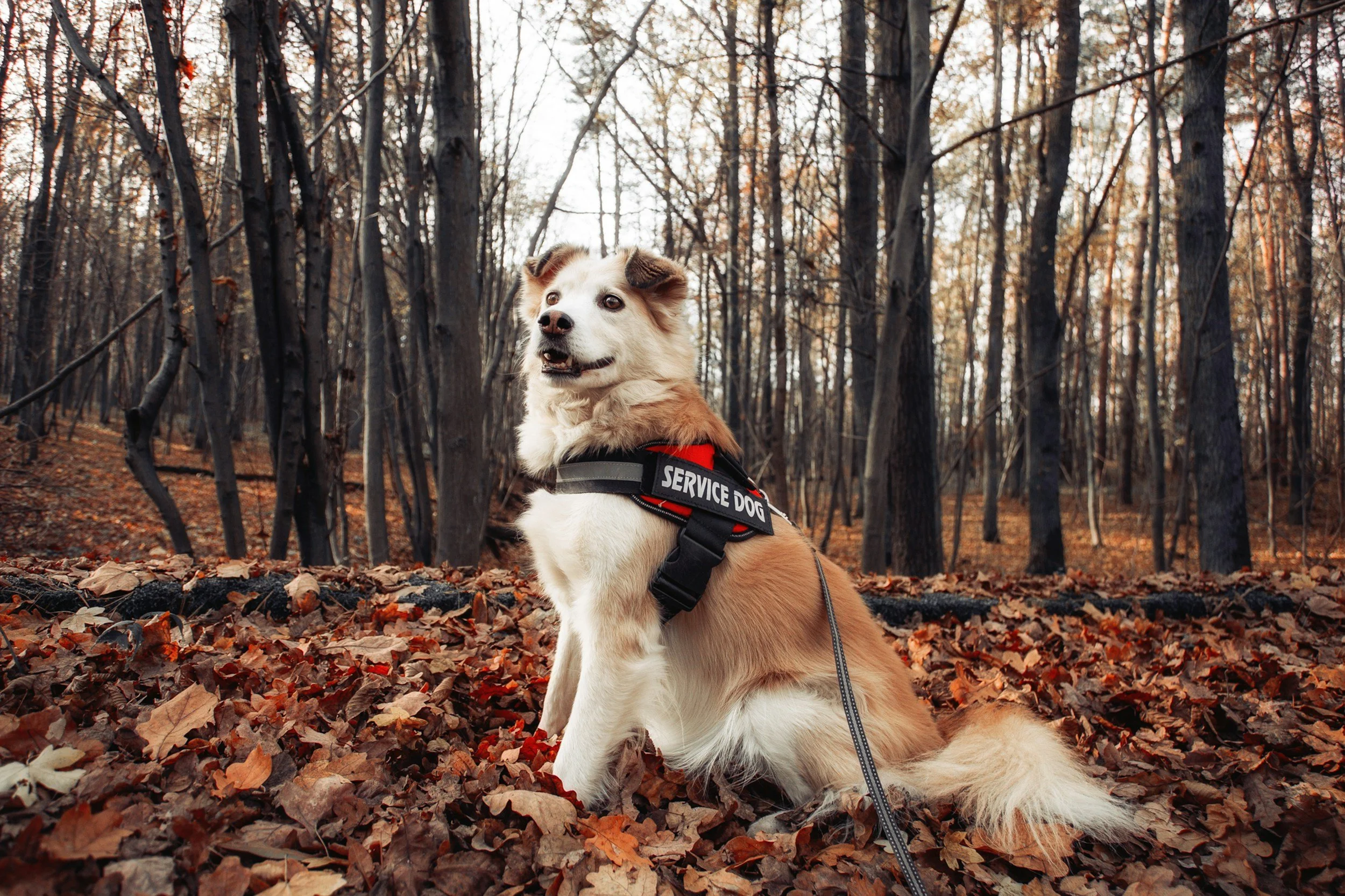
Because disability is personal and often invisible, the ADA tightly restricts what businesses can ask when someone enters with a service animal. If it’s not obvious what the animal does, staff may only ask two questions:
Is this a service animal required because of a disability?
What specific work or task has the animal been trained to perform?
They cannot ask for paperwork, certification, or proof, and they cannot ask about the person’s diagnosis. Service animals may but do not need to wear a signifying vest or indicator that they are a service animal. These protections are essential — but they rely on people using the system honestly.

In recent years, misuse of service animal language has become common. People bring untrained pets into public spaces, label them as emotional support animals, and then insist those animals are protected by the ADA. The result is animals barking, lunging, climbing on furniture, or behaving unpredictably — behavior that is explicitly not allowed for real service animals. While the ADA permits businesses to remove animals that are out of control or not housebroken, many staff members don’t feel empowered or educated enough to do so.
The fallout from this confusion lands squarely on legitimate service animal handlers. A widely shared example comes from the creators MatthewandPaul. Paul Castle, who is legally blind, has publicly described being kicked out of a Seattle restaurant because staff didn’t believe his guide dog was legitimate, telling him he “didn’t look blind.” He has also shared experiences of Uber rides being canceled once drivers realized he had a service dog — something many disabled riders say happens far too often.
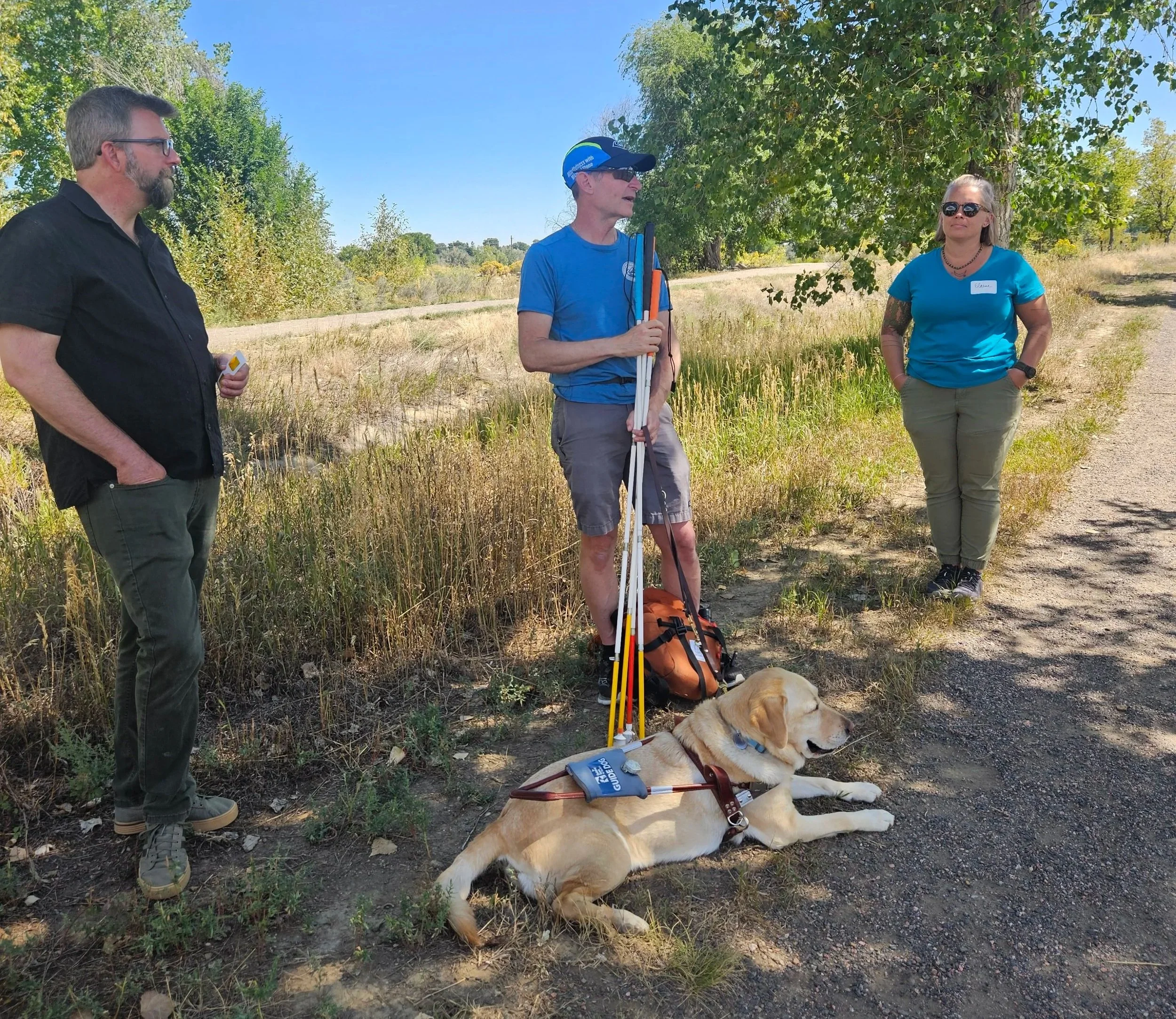
When misuse becomes visible, trust disappears. Businesses become defensive. Drivers become skeptical. And people with real, highly trained service animals are forced to constantly defend their right to exist in public spaces. Michael Stone, a blind paralympic skier and triathlete, tells his story of hiking with his guide dog with his white cane and being told “Guess you think you own the trail then!” This defensiveness can make real people not only feel unsafe, but actually BE unsafe as Mike has reported multiple dangerous interactions with the public.
Emotional support animals are valid and important — but they are a different category, with a different purpose and a different legal process. Treating them as interchangeable with service animals doesn’t expand access. It undermines it. And the people who pay the price are the ones the ADA was designed to protect in the first place.